Confirm your age
Please confirm you are 18 years of age or older to view this content.

If you've spent time researching chastity, then you've probably come across these three terms: edging, ruined orgasms, and complete denial. They're used often and represent three distinct practices with different mechanics, psychological effects, and outcomes for the wearer.
Whether you're new to locking up or you've been wearing a CB-X chastity device for years, understanding what sets these practices apart can completely change how you approach your chastity play and help your Keyholder set up sessions that deliver what you're both looking to achieve from the chastity experience.
All three practices fall under the concept of orgasm control, meaning the intentional management of when, how, and whether a wearer climaxes. They all work with the same fundamental dynamic: arousal is built, and release is either granted, manipulated, or withheld entirely. The chastity device is the tool that makes the control physical and definite.
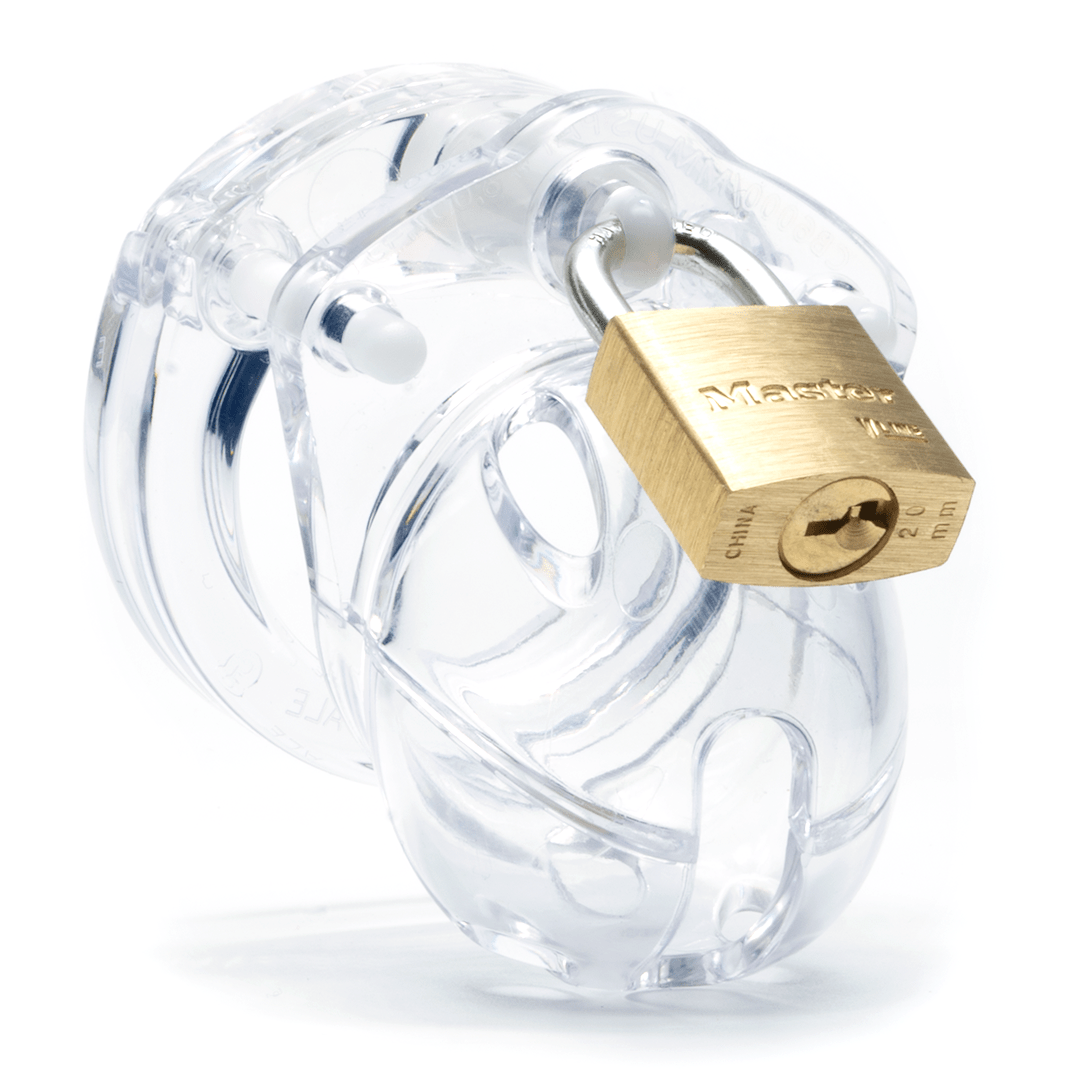
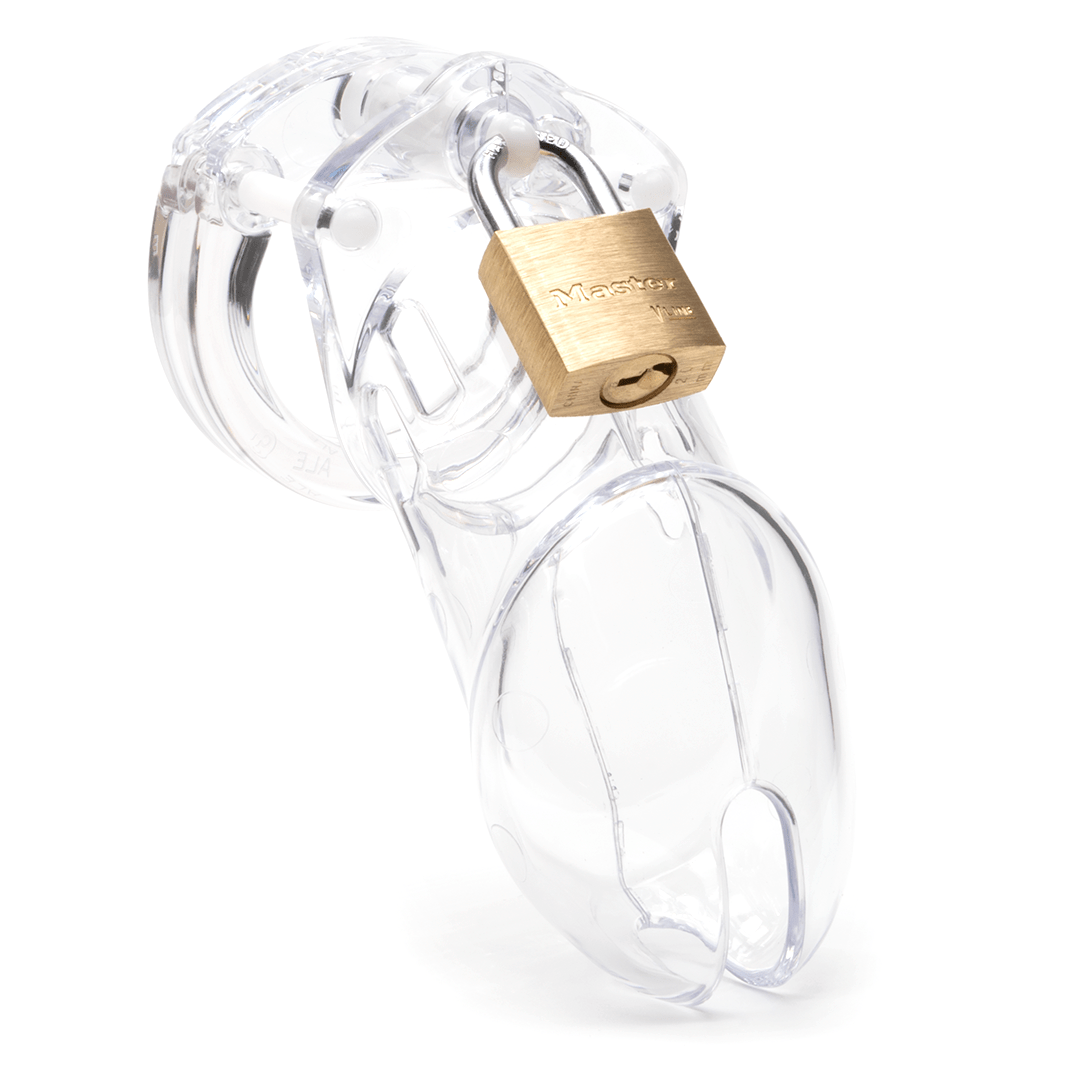
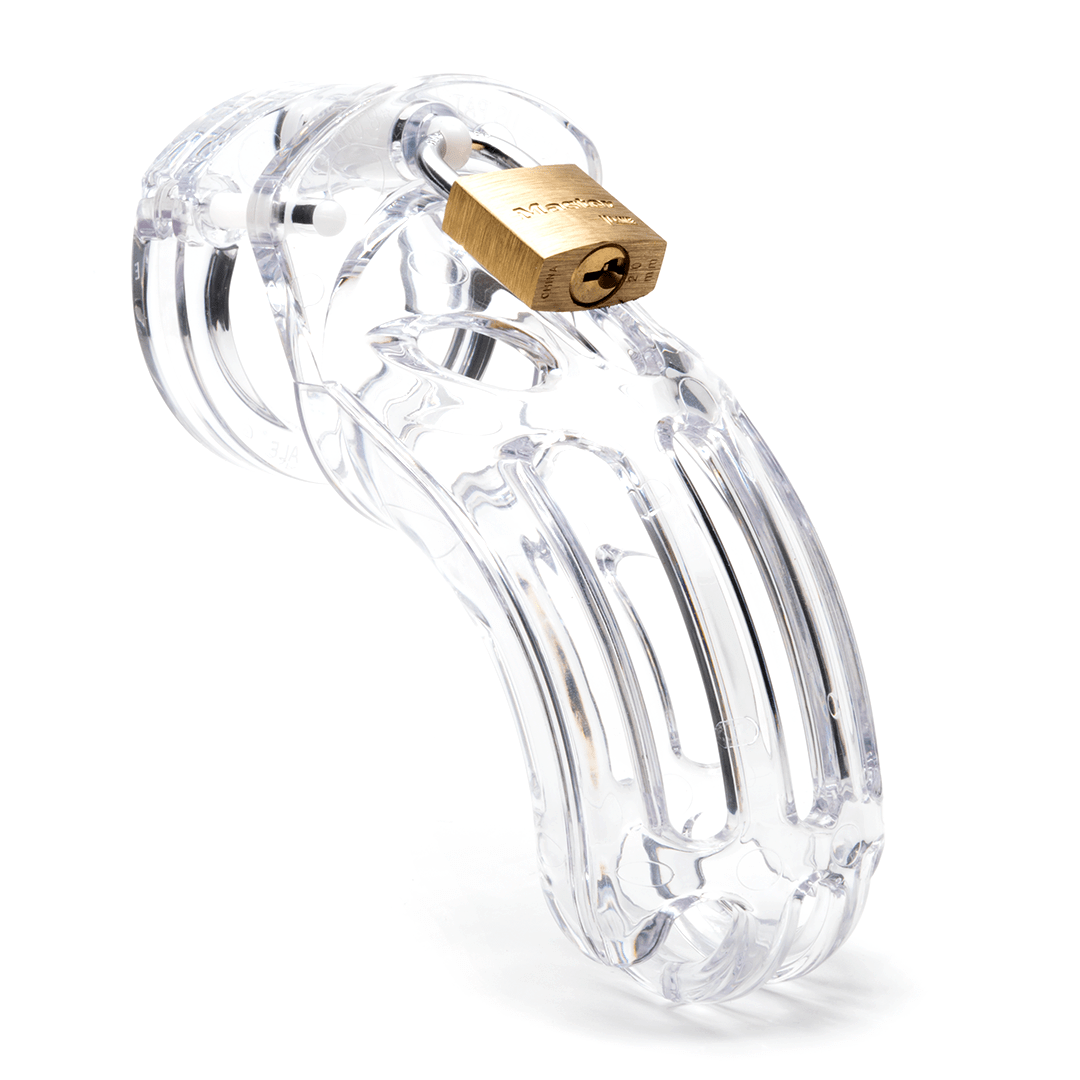
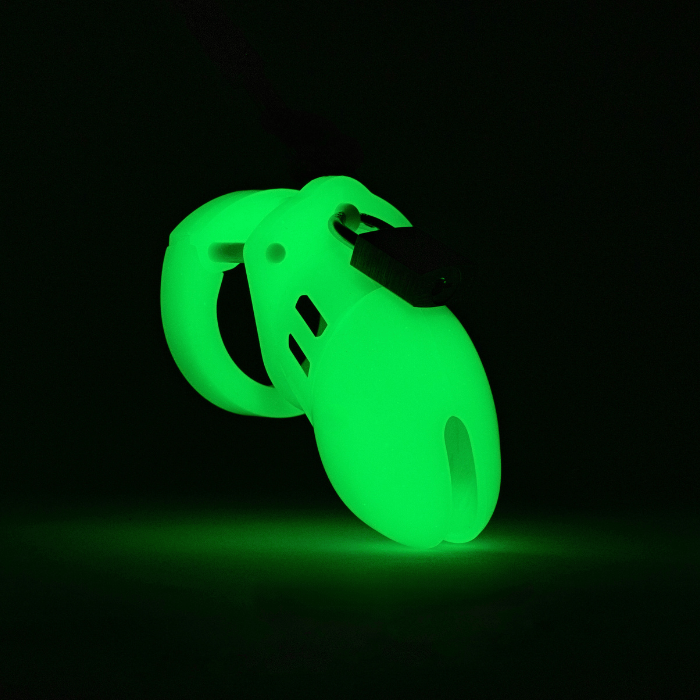
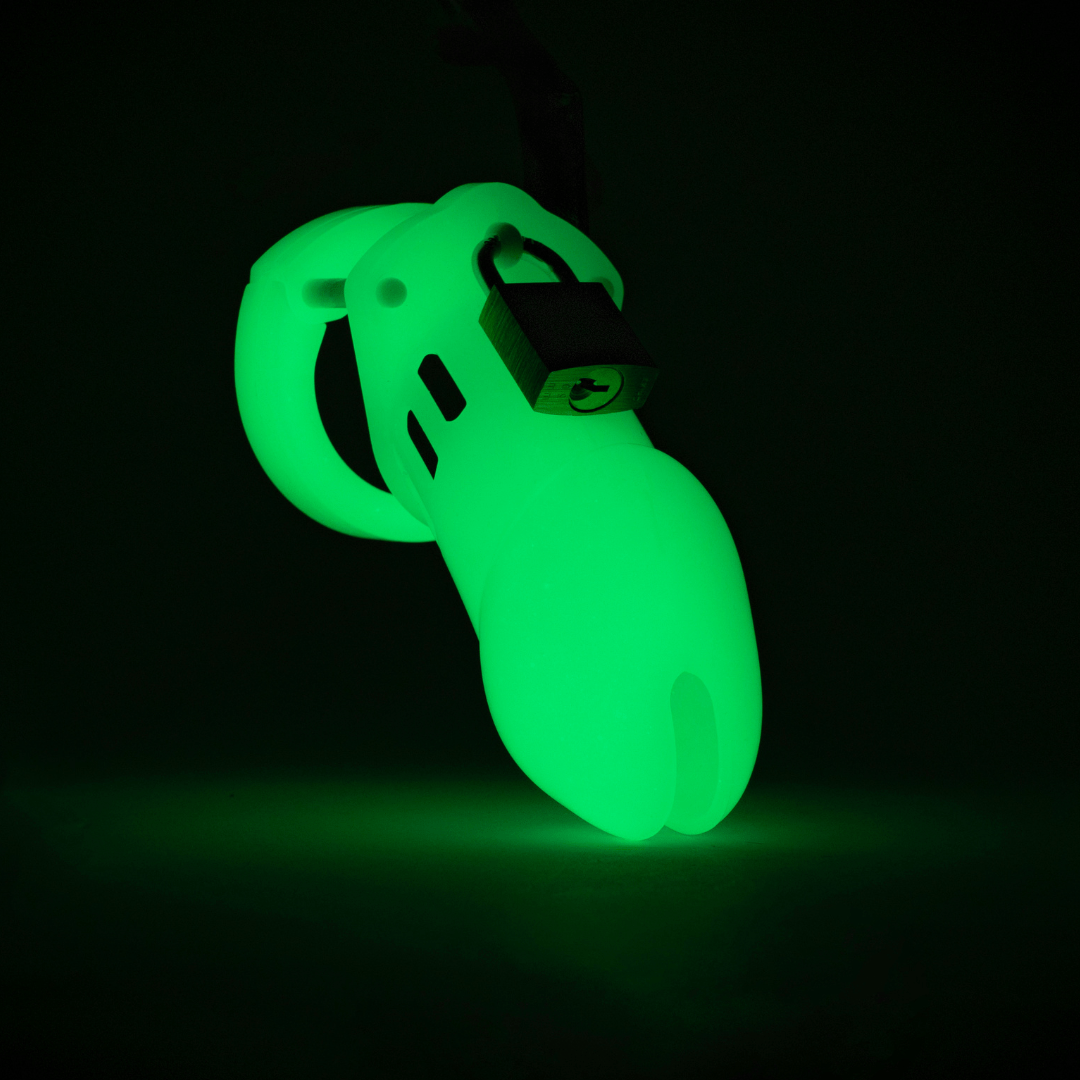
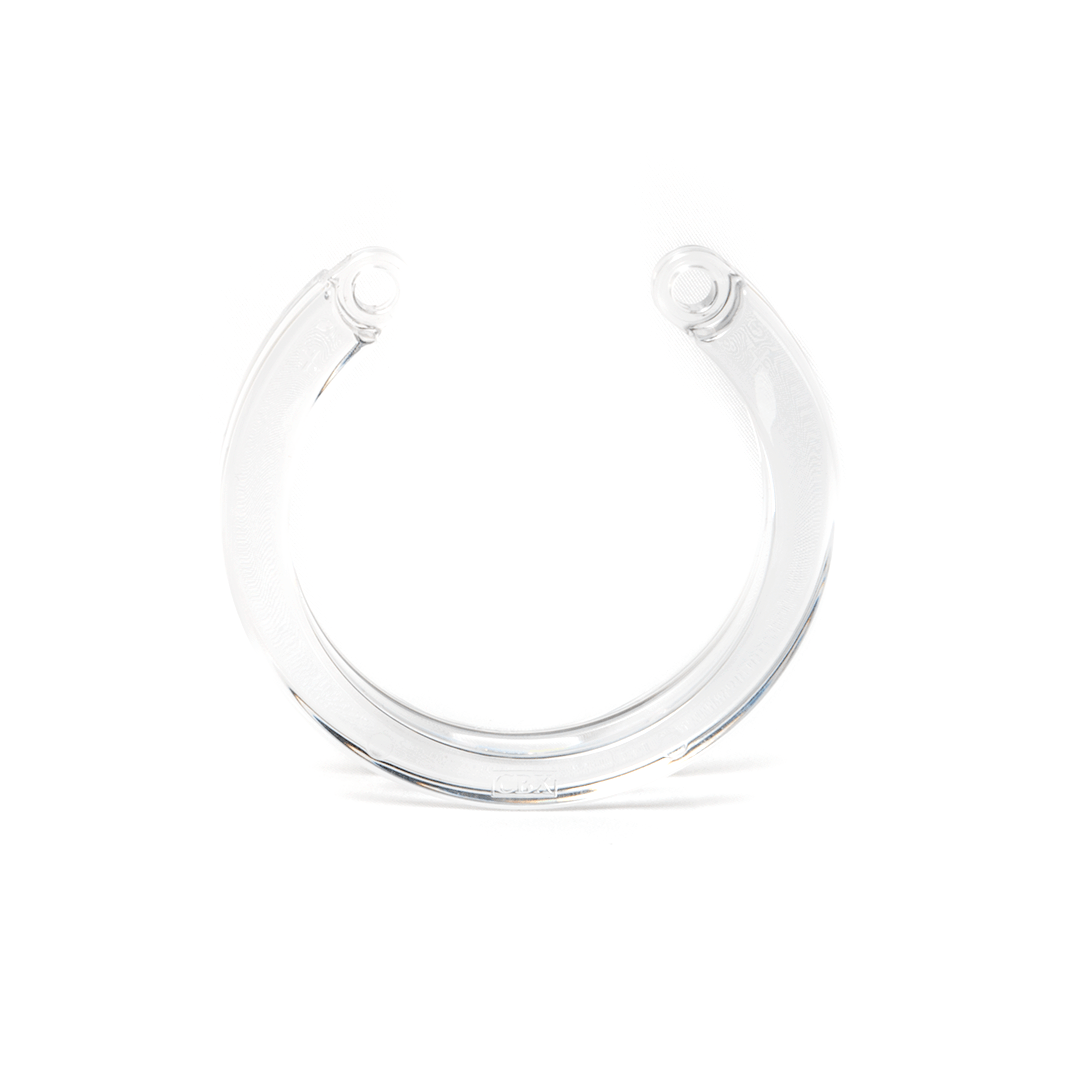
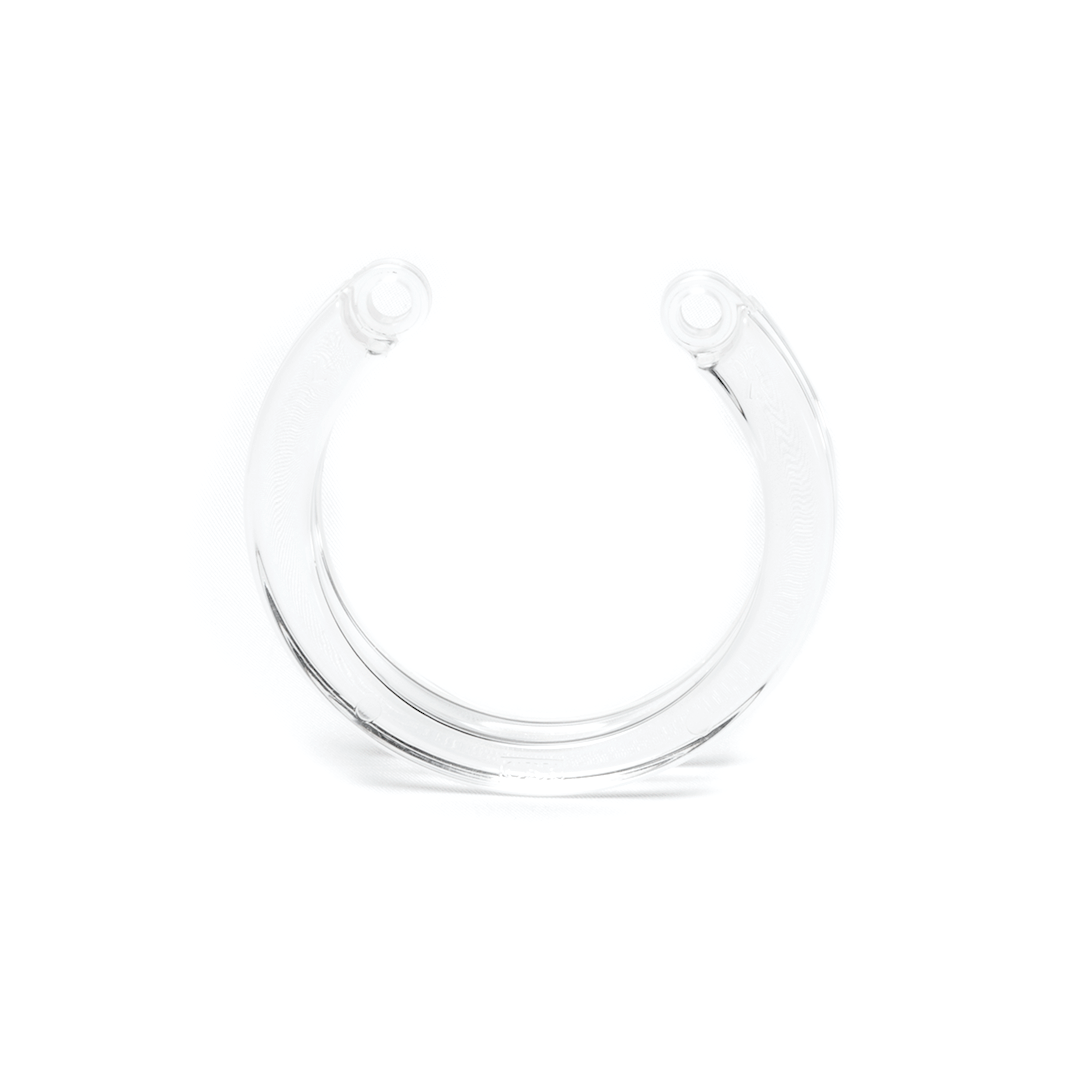
CB-X chastity devices are engineered for extended, intentional wear. The body-safe plastic construction of the devices is easy to clean and durable enough for wear that orgasm control practices require. Whichever practice you choose, the right chastity device fit is the foundation of success. Before starting any of the three practices, ensure that you have a correctly fitting CB-X chastity device by reviewing our Size Guide.
What it is: Edging means bringing arousal to the very edge of orgasm, the moment just before, and then stopping or reducing stimulation before it can occur, ultimately delaying the climax. This cycle is typically repeated multiple times within one session. The goal is to build tension for a stronger final release.
What it feels like in the cage: Inside a CB-X chastity device, edging takes on a different feeling than freely edging. Direct penis stimulation isn't possible, so the wearer must rely on non-penile arousal by stimulating the perineum, inner thighs, the parts of the penis touchable through the cage vents, testicles, and other erogenous zones. Other methods include mental arousal and using the pressure from erection attempts against the cage walls. Many wearers find wearing a chastity cage sharpens the edging experience.
The psychological effect: Edging is fundamentally about presence. Each approach to the edge demands full attention to bodily sensation. During an edging session, awareness of the body is heightened. Many long-term chastity wearers describe edging sessions as almost meditative, not despite the intensity, but because of it and the focus it requires to control orgasm.
Who it's best for: Edging is for wearers who enjoy engaged sessions with a Keyholder (present or remote), as well as solo practitioners who want an attentive practice with a clear goal. It's also a great practice for beginners new to orgasm control, because there is a clear structure to edging, though it may not be easy. For those just tapping into chastity play and finding their way, edging can be a good addition because it doesn't require extended periods of denial.
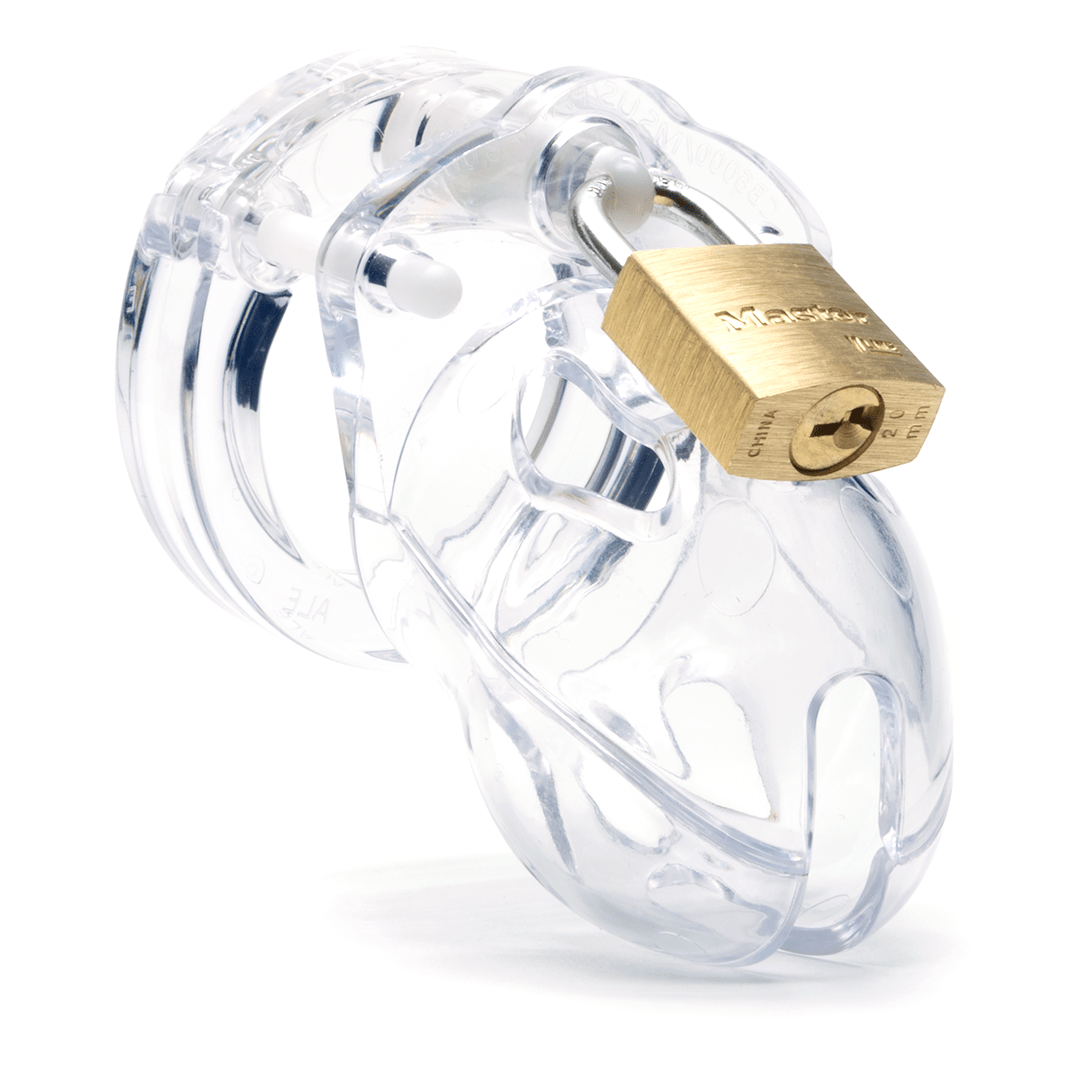
CB-X chastity device pick: The CB-6000S is a favorite for edging sessions. Its snugger fit reduces movement and increases pressure feedback during arousal.
What it is: A ruined orgasm occurs when stimulation is withdrawn at the exact moment of climax, after the point of no return has been crossed. The orgasm happens, and oftentimes so does ejaculation, but the wearer experiences it as flat, incomplete, or even frustrating rather than pleasurable. The feeling of a full orgasm is ruined or denied.
What it looks like in practice: With a chastity cage on, a ruined orgasm can be achieved by arousal through indirect stimulation or mental triggers. At the precise moment the wearer starts to climax, all stimulation stops, but the stimulation toy remains in place. The physical release can occur without the neurological reward that makes a full orgasm satisfying.
The psychological effect: This is where ruined orgasms get genuinely complex. For many wearers, a ruined orgasm provides just enough physical release to prevent the physical discomfort of extended arousal without release, but nowhere near enough satisfaction to scratch the itch completely. In a Keyholder dynamic, this can be a powerful tool for maintaining a wearer's heightened state over longer periods of lock up. It resets the body without rewarding the mind.
It's worth noting that ruined orgasms are not for every wearer. Some find them deeply unsatisfying in a way that's erotic and exciting. Others find the experience frustrating in a way that isn't enjoyable. This practice benefits enormously from honest, ongoing communication between wearer and Keyholder before, during, and after sessions.
Who it's best for: Wearers in established Keyholder dynamics who have clearly communicated their responses to frustration and denial. Also suited to longer-term chastity arrangements where some physical relief is needed without fully resetting the tension and desires of extended denial.
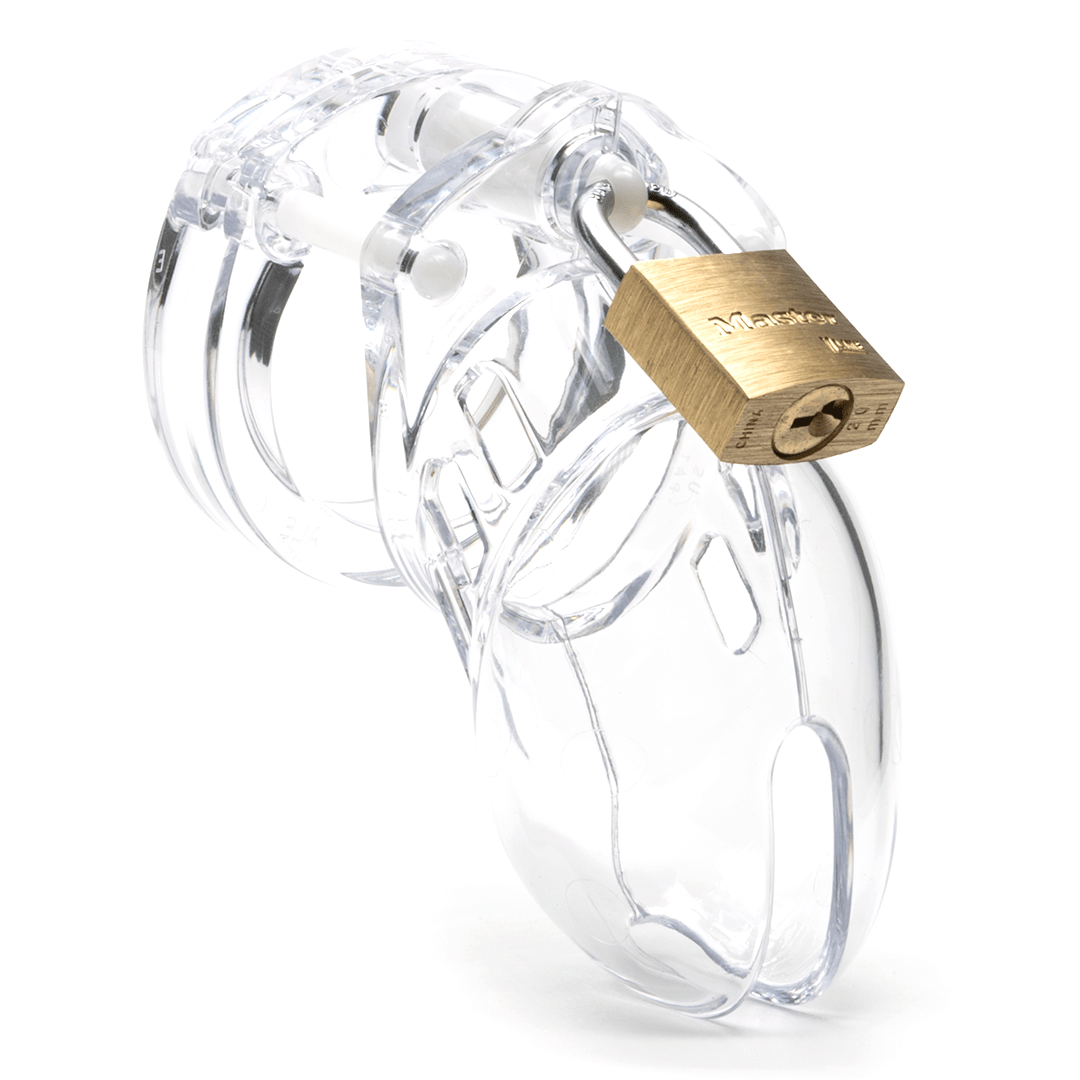
CB-X device pick: The CB-6000 works well here. Its design stays secure during the arousal buildup (possible erection) that precedes a ruined orgasm, and its fit is comfortable enough for the sustained wear that longer denial periods (in which ruined orgasms are used periodically) typically involve.
What it is: Full denial means no orgasm at all for a defined period ranging from days to weeks to months. Arousal may still be cultivated and built (through teasing, or simply the constant low-level awareness that comes with wearing a cage). Still, no release of any kind is permitted until the Keyholder decides otherwise.
What it feels like: The experience of full denial in chastity shifts dramatically depending on where you are in the timeline. The first 48–72 hours are often the most intense for beginners. Frustration is high, awareness of the cage is constant, and the psychological adjustment hasn't fully settled in yet. By days four through seven, many wearers report something that's harder to describe: a kind of heightened attentiveness and physical sensitivity that extends beyond arousal into daily life. Focus sharpens, and small pleasures feel more vivid. The dynamic with the Keyholder takes on a weight it doesn't have outside the practice.
Extended full denial (typically months) is an advanced practice and isn't the right starting point for beginners. If you’re an advanced chastity wearer, it requires excellent device fit, established hygiene routines, and a Keyholder relationship built on deep trust and consistent communication. For those who practice extended full denial, many describe it as the most transformative aspect of the chastity lifestyle. Control and anticipation become the feelings they enjoy most.
Safety note: Full denial doesn't mean ignoring the body and pushing through. Regular hygiene, scheduled device removal for thorough cleaning, and monitoring for skin irritation are non-negotiable, no matter how long a denial period lasts. CB-X devices have a ventilated cage that lets you clean them without full removal during short-term wear. However, always do a full cleaning before starting any extended denial period, and schedule additional cleanings throughout (depending on the duration).
Who it's best for: Wearers in committed Keyholder dynamics with established trust and communication, or experienced solo practitioners who have built up gradually from shorter denial periods. Full denial rewards patience and works best when the practice is built on clear structure and the expectation surrounding it.
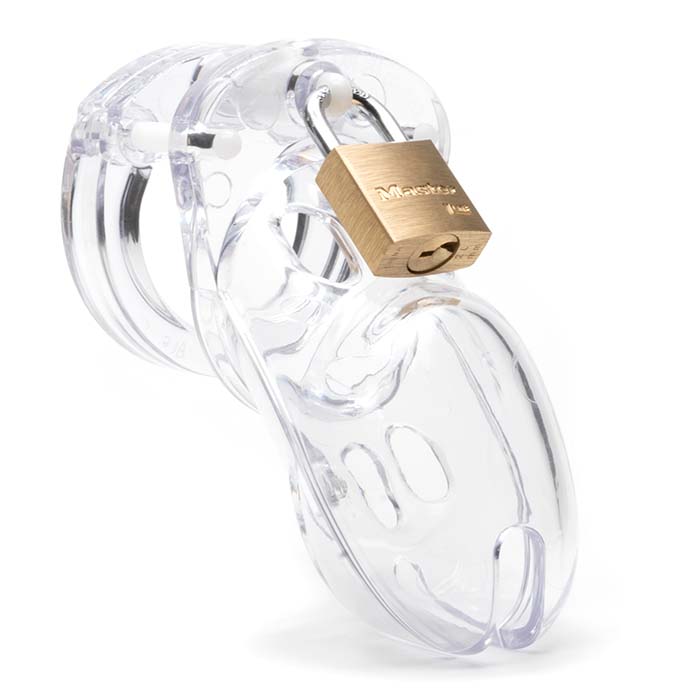
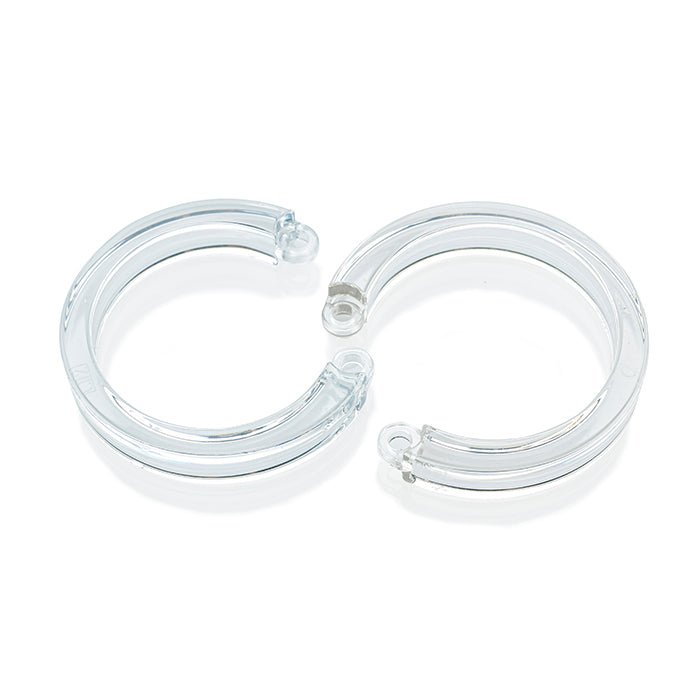
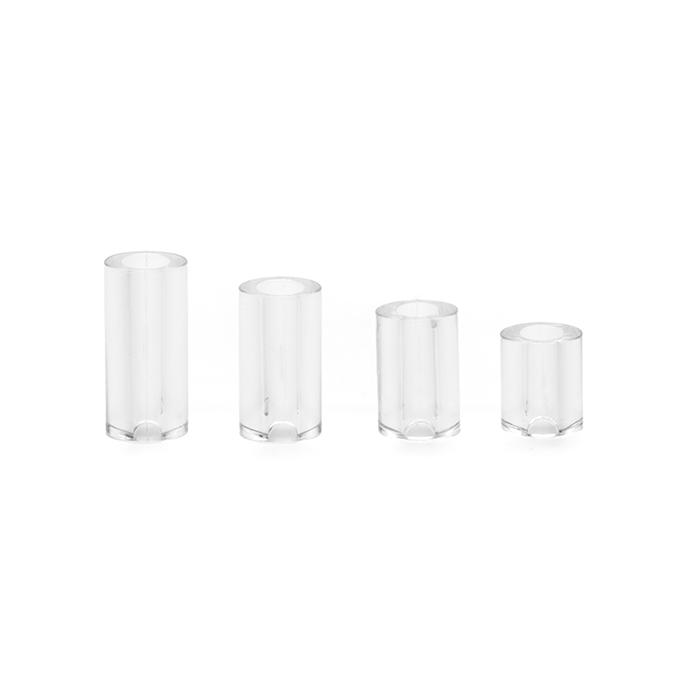
CB-X device pick: The CB-3000 is a standard cage for extended wear. Designed for durability, comfort, and the kind of sustained wear that full denial requires. The complete kit (with multiple ring sizes and spacers) ensures wearers can dial in a perfect fit, which matters enormously over a long-term lock-up.
Understanding why complete denial works the way it does makes the practice more intentional and more powerful.
The brain chases what is being withheld and loses interest in what it already has.
Anticipation is where desire lives. Every edge, every withheld release, every day inside the cage keeps the brain in a sustained state of motivated pursuit, feeding the desire. Denial doesn't quiet desire. It amplifies it.
This is why arousal during extended denial doesn't plateau and fade the way you might expect. The brain keeps returning to the source of the anticipated reward, whether that be edging, a ruined orgasm, unlocked orgasm, or other rewards. The Keyholder, the cage, and the dynamic itself become the central focus in a way that doesn't happen without the chastity cage.
There's no single right answer, and most wearers end up incorporating all three at different points in their practice.
Edging is the session practice. Intensity runs high while it's happening and resets when the session ends, making it the natural entry point: clear structure, a defined goal, and no extended denial required.
Ruined orgasms live in the middle. They show up periodically inside longer arrangements, usually as a physical reset that keeps the tension of denial intact. Best suited to established dynamics where both people already know how the wearer responds to frustration.
Full denial is the long game. Intensity builds over days, weeks, or months instead of peaking in a session, and it rewards deep, high-trust dynamics and experienced wearers.
The most common pattern we see in the CB-X community: wearers start with edging to learn the cage and their own arousal patterns, add ruined orgasms as the Keyholder dynamic deepens, and eventually explore denial periods that grow longer as trust and experience accumulate.
Whichever practice, or combination of the three you explore, the conversation about expectations has to come before you start. Orgasm control, in all three forms, works best when both the wearer and the Keyholder are clear on expectations, limits, and how to check in during and after sessions. The chastity cage and other toys do the physical work. The communication is what makes the practice meaningful.
That's true whether you're on day one or day one hundred.
New to CB-X? Use our Size Guide on every product page to find your perfect fit before you start. And if you have questions about which model is right for your practice, reach out — we're here to help.