Confirm your age
Please confirm you are 18 years of age or older to view this content.

Price, Utah. 1998.
Frank Miller had been unfaithful, and his wife Dorris was devastated. They weren't part of any kink scene, and they weren't looking for sexual experimentation. They were a married, religious couple trying to save their relationship, and Dorris needed more than words.
"I promise I won't do it again" wasn't cutting it.
So… what existed at the time for male chastity? Medieval-looking belt contraptions, basically. Heavy, uncomfortable, and completely impractical for real life. Nothing you could wear to work, sleep in, or live with for more than a few hours without wanting to crawl out of your own skin.
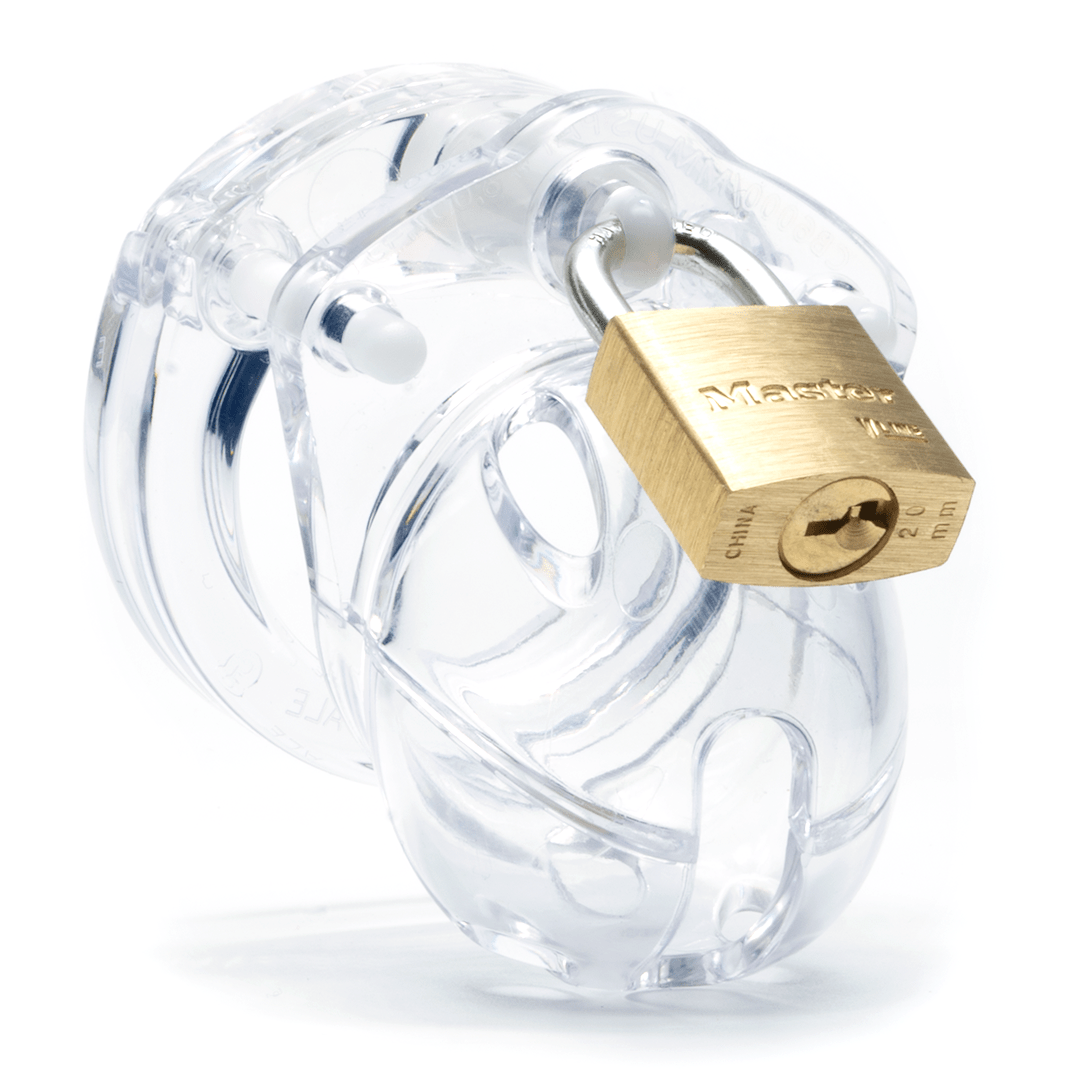
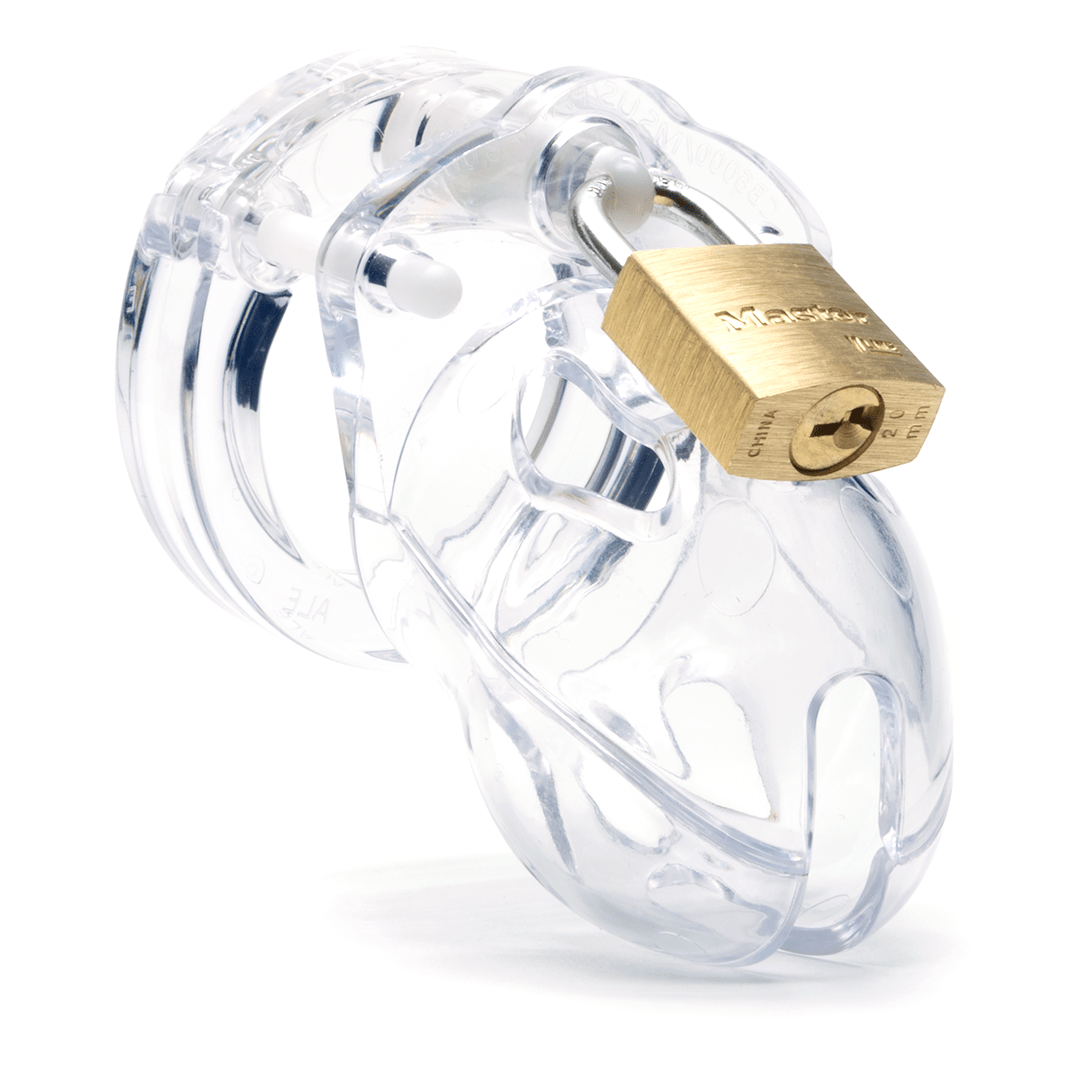
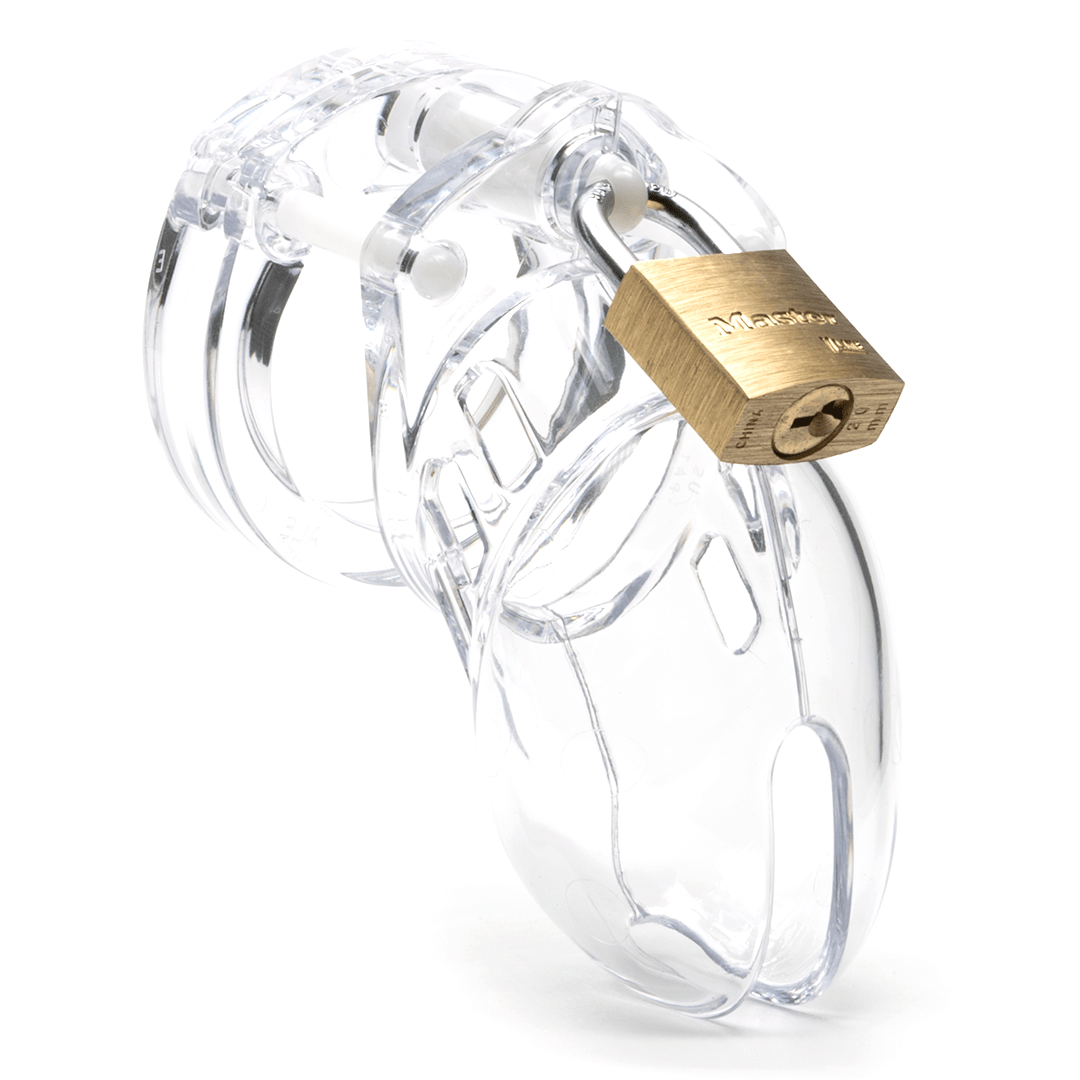
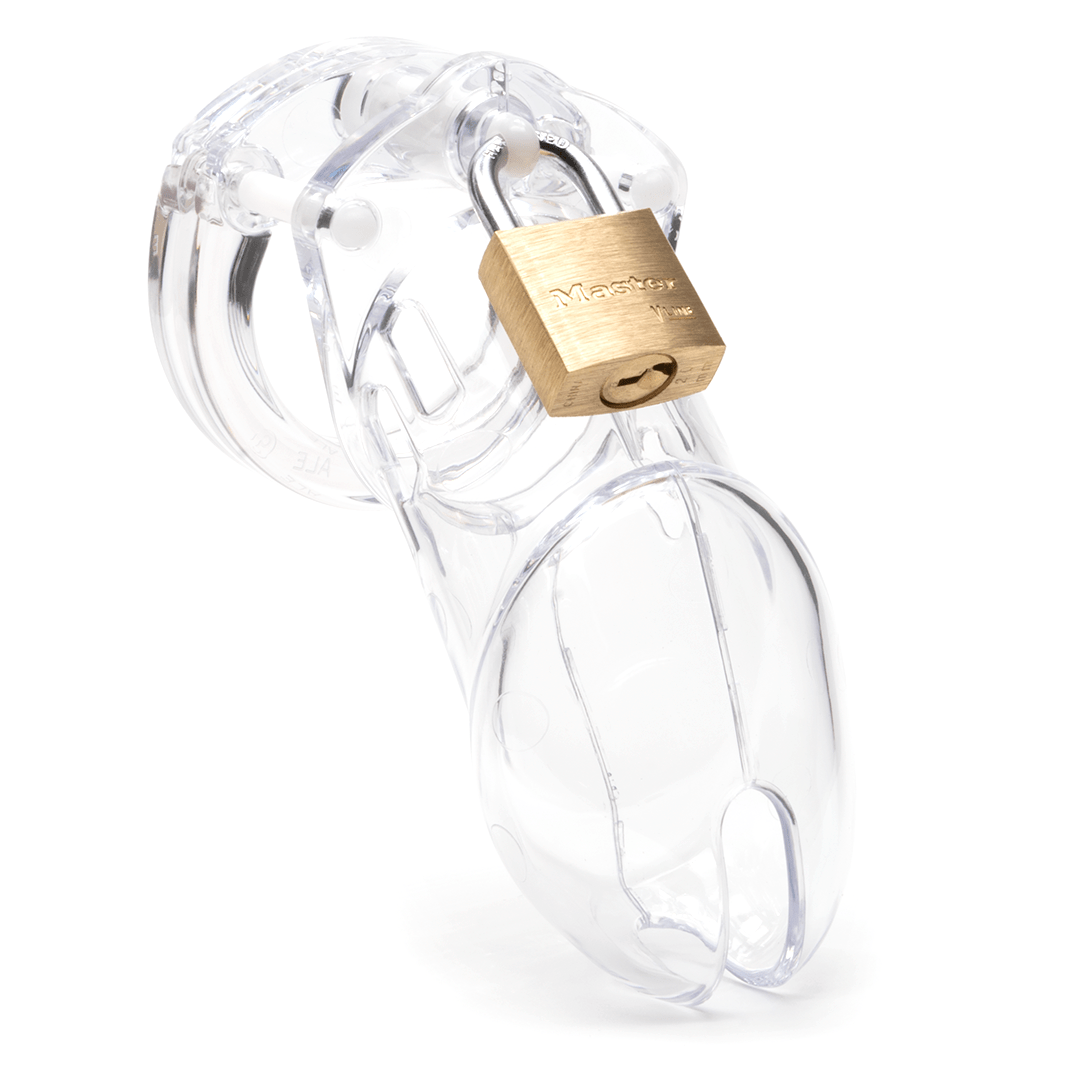
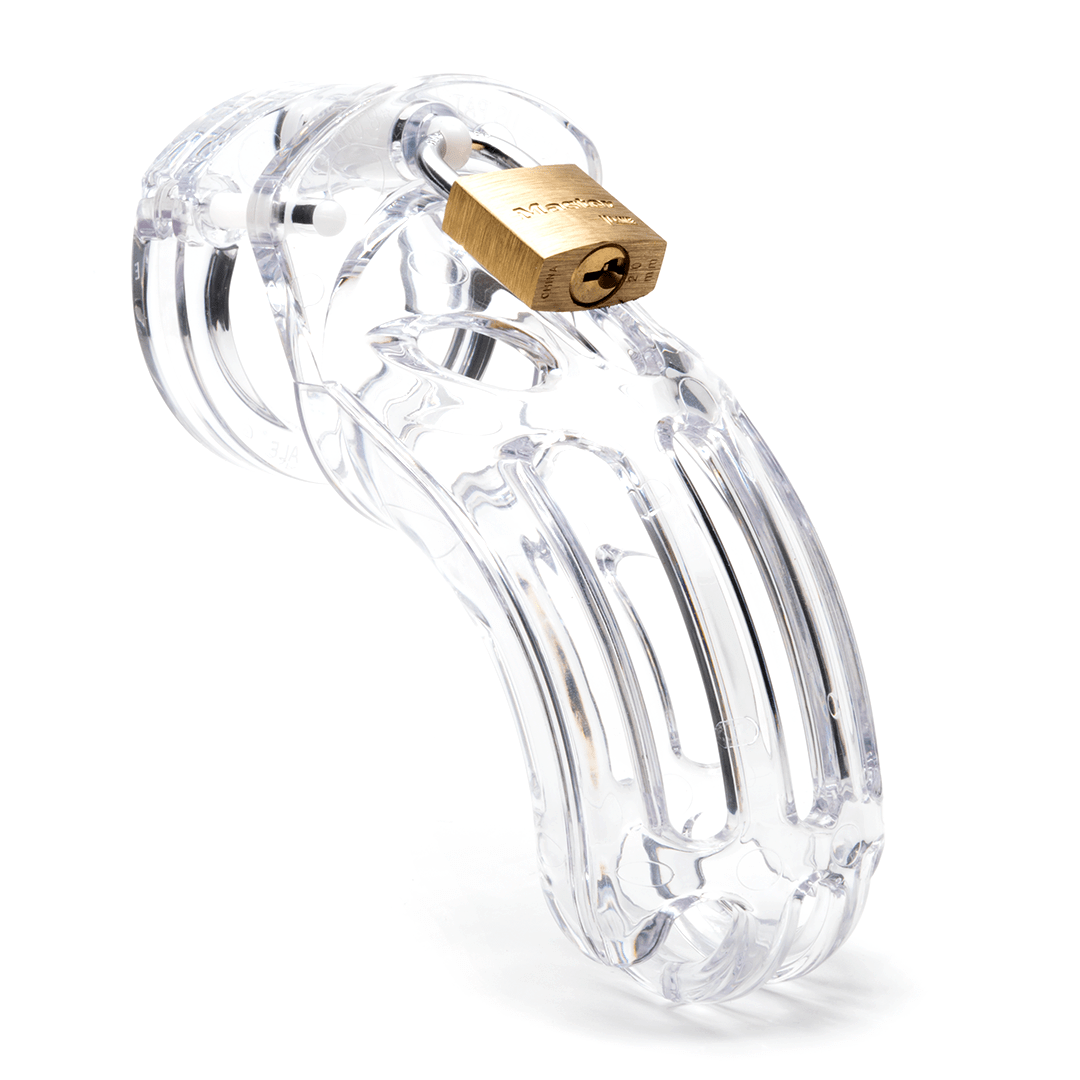
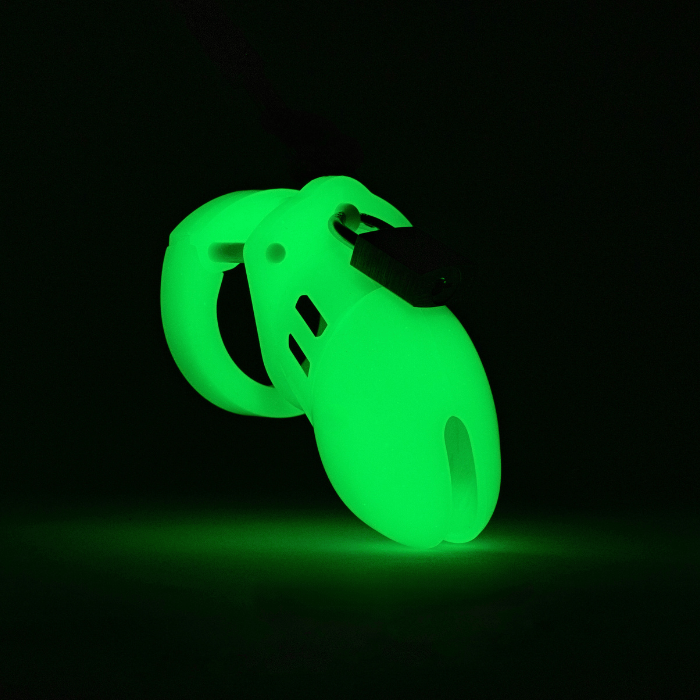
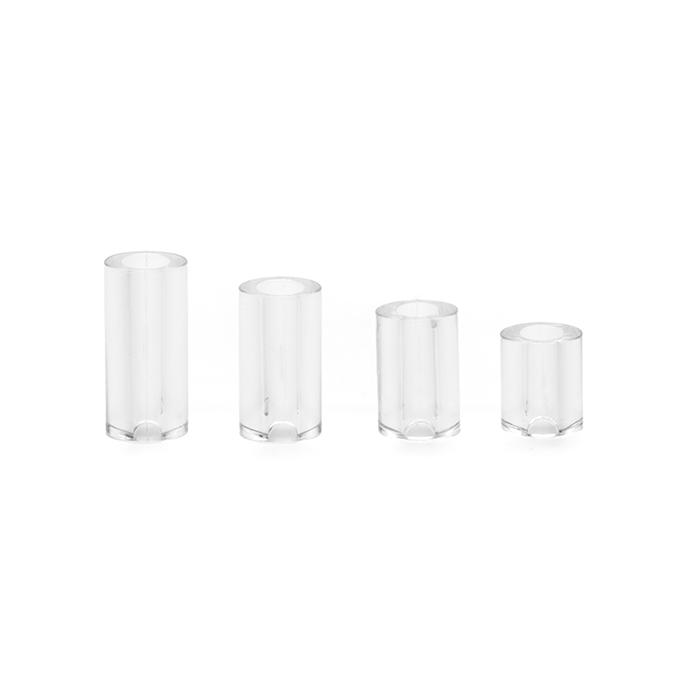
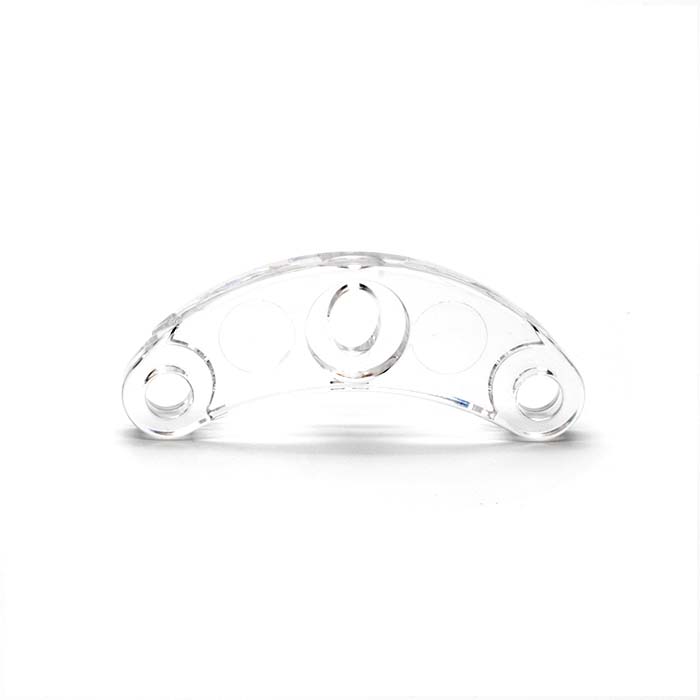
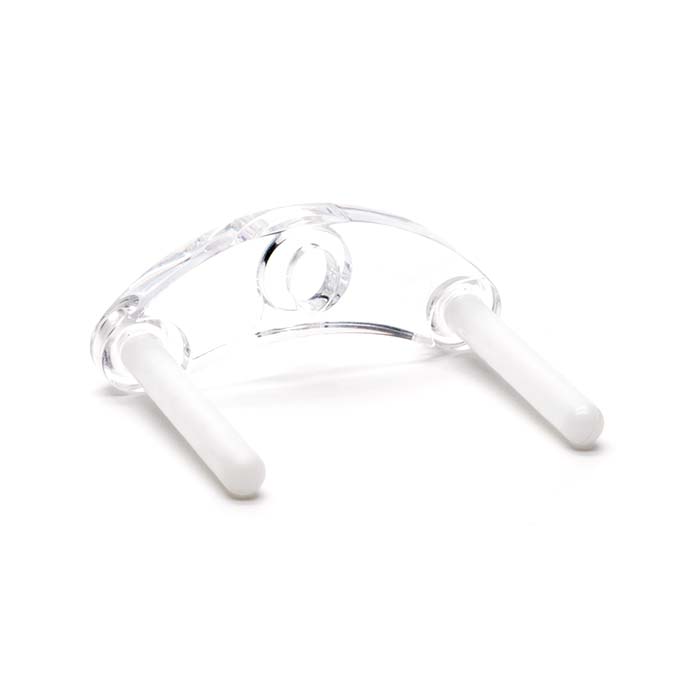
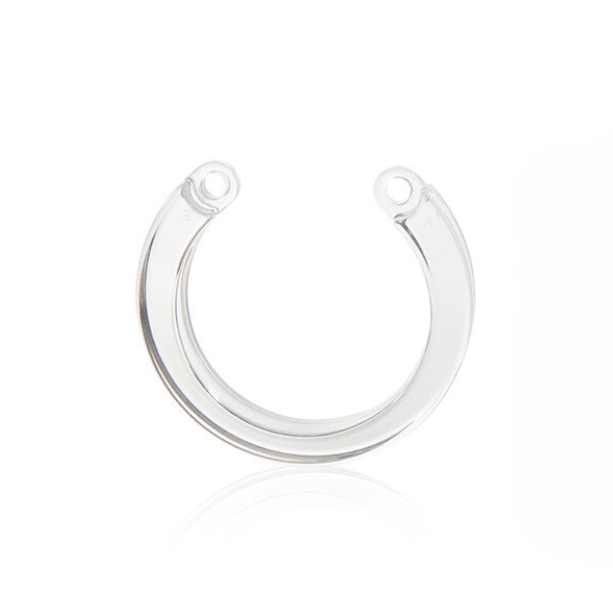
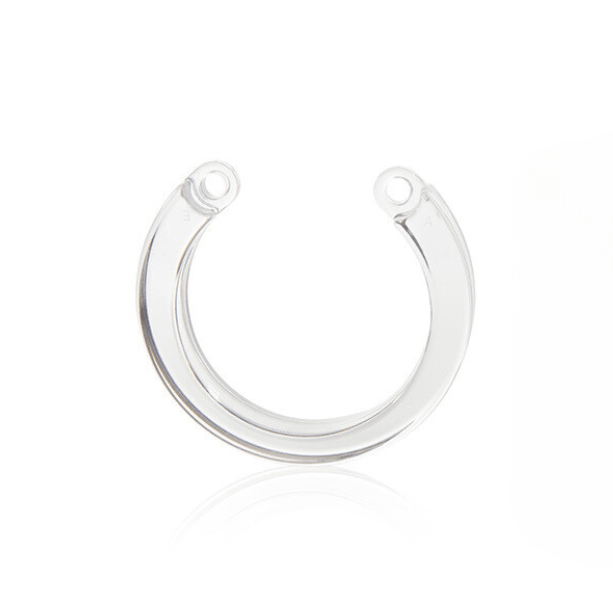
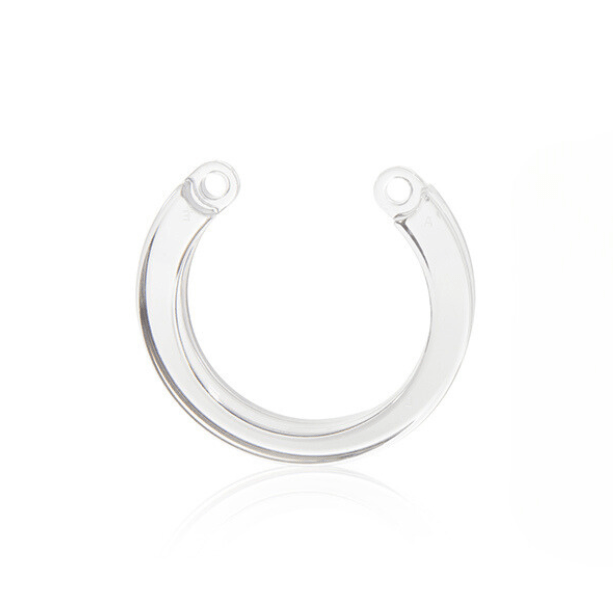
Frank designed something different. The CB-2000: a beltless plastic penis cage made from medical-grade polycarbonate, light enough for daily wear, vented for hygiene, and virtually undetectable under clothing. It wasn't created as a sex toy. It was created as a tool for relationship repair because Frank needed to prove that commitment meant something beyond convenient, in-the-moment promises.
Twenty-seven years later, CB-X manufactures the world's leading male chastity devices. The BDSM and kink communities discovered the CB-2000, CB-3000, and CB-6000, and made them wildly popular for entirely different reasons. But the founding purpose was never about kink or power exchange or orgasm denial. It was about accountability when everything else had failed.
Rebuilding trust after infidelity takes time, and the consensus among therapists and recovery specialists is that it takes a minimum of 18 months of active work, with many couples spending 2 to 5 years in the process, depending on the severity and type of betrayal.
During that time, what does accountability actually look like for most couples?
The instinct is surveillance. Check the phone. Track the location. Monitor social media. Install GPS trackers. Become the relationship police officer and scan every text, every late night at the office, every unexplained hour with the intensity of a detective building a case. Therapists see what happens next, and it's almost always the same story: the surveillance exhausts the betrayed partner while breeding resentment in the unfaithful one.
Research published in the Journal of Counseling Psychology and related clinical literature has found that between 30% and 60% of betrayed individuals experience symptoms of PTSD, depression, and anxiety at clinically meaningful levels, including hypervigilance, intrusive thoughts, sleep disturbances, and the chronic stress that comes from maintaining constant alert mode.
And here's the other thing about surveillance: it can be beaten. Second phones, leaving devices at the office while being somewhere else, and clearing browser history. If someone wants to cheat and knows they're being watched, they will find a way around it. You're left constantly checking, never quite believing the data, exhausting yourself, and creating a dynamic where one person performs compliance while the other plays warden. It's not sustainable, it's not healthy, and it often doesn't even work.
Some couples found a different approach. Not surveillance. Not blind trust. Something in between.
Here's the honest reality: you can get out of a chastity device if you really want to. It's not a magical solution that makes infidelity physically impossible, and we'd be lying if we said otherwise.
But that's not really the point.
A 2021 meta-analysis published in the Proceedings of the National Academy of Sciences, drawing on more than 200 studies and over 2 million participants, found that changes to the physical environment, things like reminders, increased friction, and removing easy access, reliably influence behavior across every domain tested. The researchers call it "choice architecture," and the principle is straightforward: when you put a barrier between an impulse and an action, it creates a pause. That pause matters.
This is why people recovering from alcohol dependence pour out every bottle in the house. It's why accountability software like Covenant Eyes exists, with over 1.5 million users relying on it specifically for porn accountability. It's why commitment devices have been shown to increase goal adherence by 25% to 40%, depending on the context, whether that's smoking cessation, savings behavior, or medication compliance.
A chastity device isn't a guarantee against infidelity. What it does is serve as a constant, physical reminder of a commitment made during a rational moment, a moment when the unfaithful partner sat down and said, "I want to prove this to you." It increases friction between impulse and action. It creates a moment of "wait, what am I doing?" that might not exist otherwise. And for some couples, during the hardest months of rebuilding, that's exactly the kind of certainty the betrayed partner needed while emotional trust slowly grew back.
Frank Miller wasn't a product designer or engineer by trade. He was a husband who understood that promises, no matter how sincere, weren't enough to repair what had been broken.
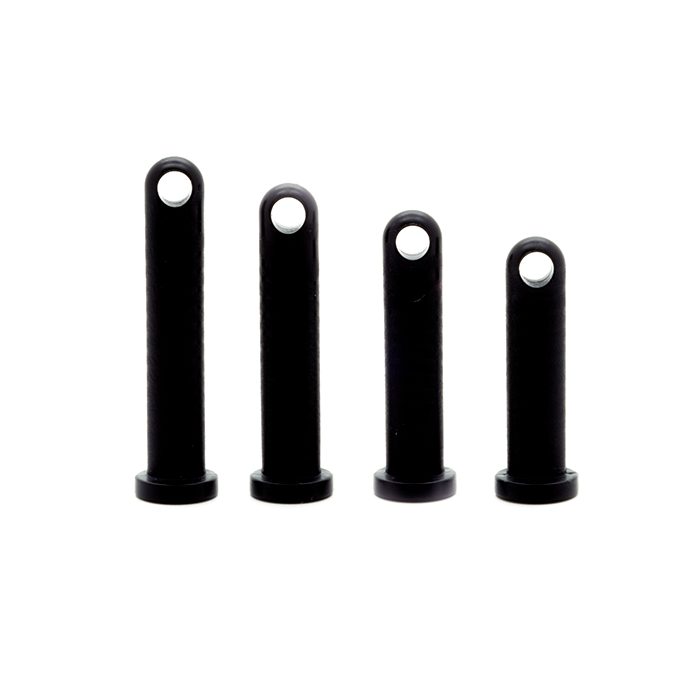
The chastity devices available in the late 1990s were medieval belt contraptions made of heavy metal, uncomfortable to wear, impossible to live in for any meaningful period of time, and not something any human being could realistically incorporate into daily life. Frank designed something radically different: a medical-grade polycarbonate vented cage for extended wear, with numbered plastic locks that wouldn't set off metal detectors, and a structure that was secure yet comfortable.
The goal was something a person could wear to work, sleep in, exercise in, and live with during the months-long process of rebuilding trust. Manufacturing started in their garage, and by 1999, they had filed for a patent and launched the business to the general public. By 2010, CB-X had earned the title "World Leader in Male Chastity."
Dorris Miller passed away in 2017. Her obituary confirmed they "started a fun and successful business in 1999." Over 27 years, thousands of couples have used these devices for the same reason the Millers did: when words aren't enough, and when surveillance exhausts everyone, some couples need accountability that's physically undeniable.
The couples who use chastity devices for fidelity rather than kink tend to follow some common patterns, and the distinction matters.
The unfaithful partner typically suggests it. This is psychologically important because it reframes the entire dynamic. It's one person saying, "I want to prove this to you," rather than the other saying, "I don't trust you, so wear this." Offering accountability feels completely different from submitting to punishment, and that distinction can make or break whether the device becomes a tool for healing or a source of resentment.
The majority of couples dealing with fidelity issues use the device in targeted situations rather than around the clock. Business travel where previous betrayals happened, times alone that historically trigger anxiety, situations where temptation has won before. Not permanent daily wear, but strategic use during the periods that feel most vulnerable.
They set time limits and reassess regularly. Three months initially, then six, then a year, with honest check-ins about whether it's helping or hurting, whether trust is growing, and whether it's still needed. And they do all of this alongside therapy, not as a replacement for it. Processing the trauma, understanding root causes, and changing the underlying patterns that led to the betrayal in the first place. The device doesn't do that emotional work. It supports it.
What couples report is that the device shifts the dynamic from constant checking to structured accountability. From "I need to monitor you every minute" to "you're actively demonstrating commitment." From exhausting surveillance to periodic, meaningful check-ins about how the relationship is healing.
It's not for everyone. But for some couples dealing with infidelity situations, it provides the certainty the betrayed partner needs while the real work of emotional repair is happening underneath.
Frank and Dorris Miller's marriage survived infidelity. They built a business together that lasted nearly three decades and raised their family in Utah and Nevada. Their solution, physical accountability during the hardest months of rebuilding, worked for them. And it's worked for others since.
Not because a chastity device magically fixes betrayal. But for some couples, it fundamentally changed the conversation from "just trust me again" to "here's how I'm showing you that we can rebuild trust every single day."
The chastity device isn't the solution to the relationship. The communication is. The therapy is. The time is. The genuine change in underlying patterns and behaviors is. But sometimes, when promises have been broken too many times, when surveillance is exhausting everyone, when the betrayed partner can't breathe through the anxiety of wondering where their spouse is and what they're doing, a physical reminder creates the space that trust needs to start growing back.
That's what Frank and Dorris discovered in 1998. That's what CB-X has been manufacturing ever since: practical, comfortable, daily-wear chastity devices designed first for accountability, later adopted by communities for entirely different purposes.
The origin story matters because it shows where CB-X actually started. Not in dungeons or fetish clubs. In a marriage that was broken and needed something beyond words or promises to begin healing.