Confirm your age
Please confirm you are 18 years of age or older to view this content.

Here's something nobody tells you: the first time someone hands you the key to their chastity cage, you might feel a rush of power followed immediately by "what the hell am I supposed to do now?"
Being a chastity Keyholder isn't what most people expect. It's not passive. It's not just keeping a key safe. And it's not as simple as "lock him up and throw away the key." We've been in the chastity business since 1998, we've watched many couples figure this out—and watched first-timers crash and burn. In this blog, you'll discover the six essentials to keep in mind as the Keyholder when you accept the responsibility of holding the key to his chastity cage.
The chastity cage is a tool. You are what makes this work.
Your partner has probably been fantasizing about chastity longer than you've known about it, reading the forums and watching it in videos. Meanwhile, you got handed a key and a list of vague expectations (and possibly a link to a chastity-in-play video you haven't dared to watch yet).
Their fantasy is not an instruction manual for you. The chastity cage prevents physical access. You manage everything else—the anticipation, the rules, the release. That's where the power lives. If you're naturally playful, lean into teasing. If you're more nurturing, use that. Don't perform some dominatrix fantasy you saw online— if that’s not your thing, the Keyholder role should fit your actual personality.
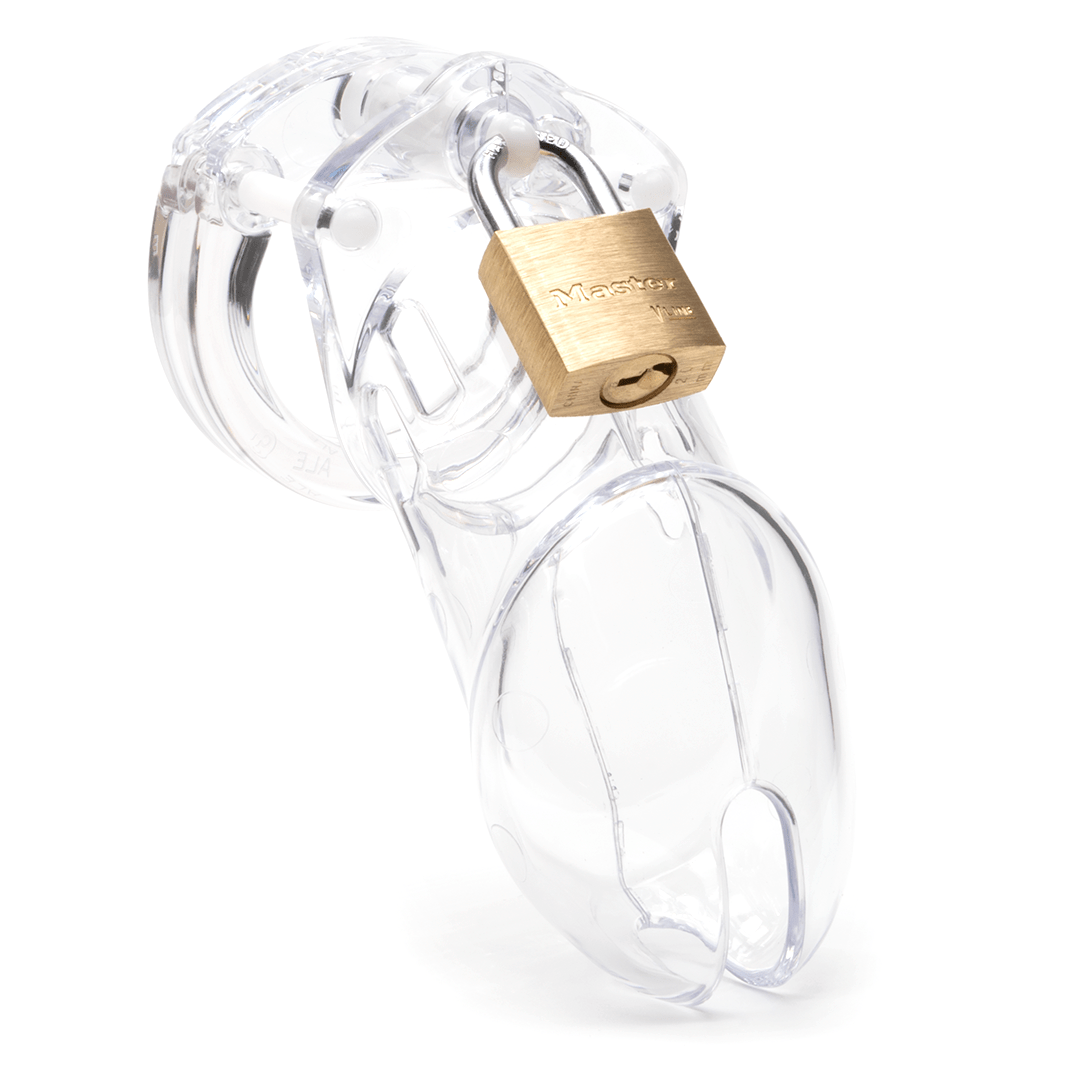
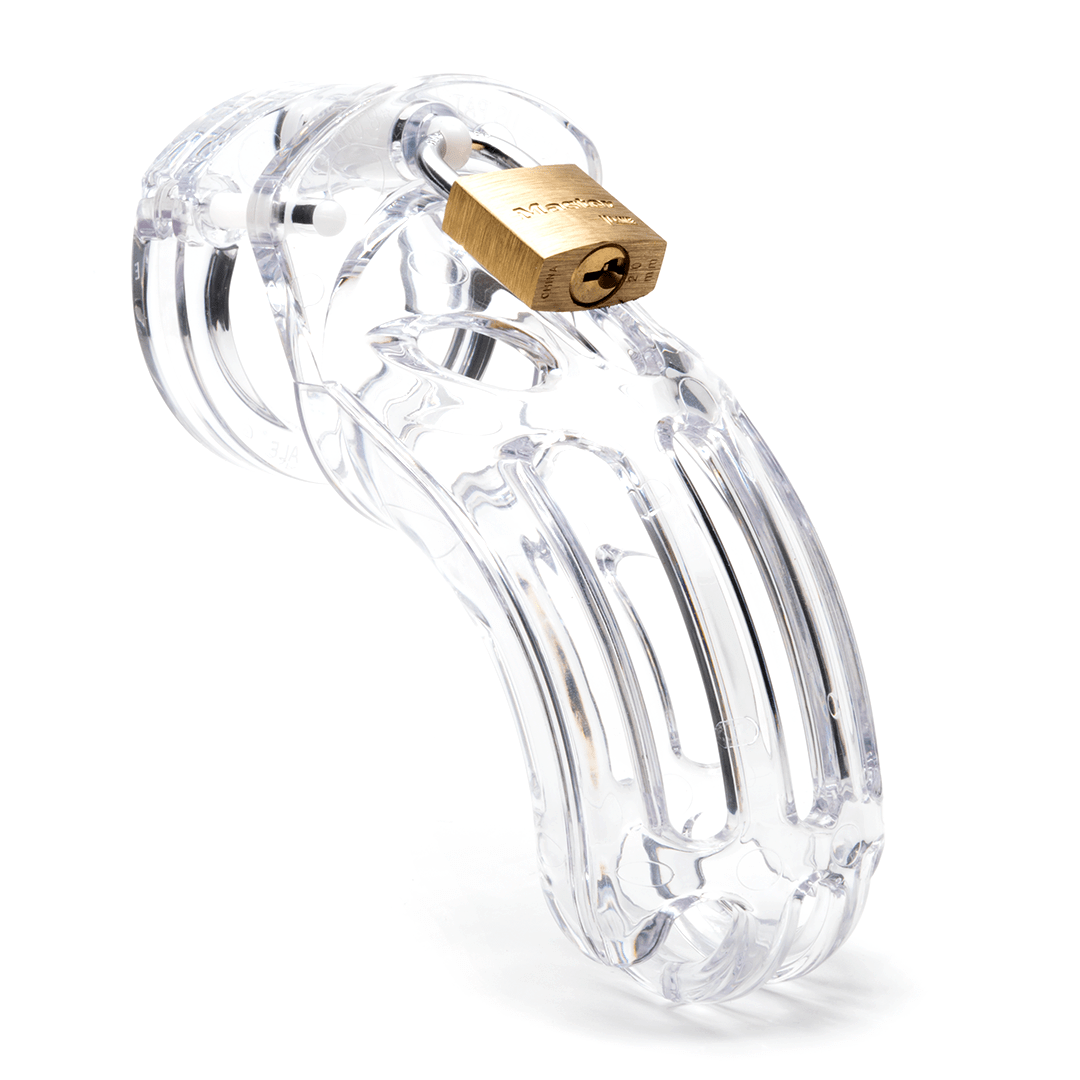
The chastity cage is just a piece of plastic and a lock. You're the one making this mean something.
Skip the initial discussion and you're setting yourself up for problems. Someone's excited, someone's curious, and suddenly there's a lock clicking shut without anyone discussing what happens next.
Before that first lock-up, cover these topics: timeline expectations (start with a short duration), Keyholder responsibilities (what are you signing up for?), rules and boundaries (what counts as "cheating" the system you’ve agreed on?), and safe words (not sexy, but important).
Write it down. The impulsive side of the brain will attempt to renegotiate later on if you don't. How do the couples who've been doing this for years succeed? They all started with the initial conversation, writing out their boundaries and expectations. The ones who quit early? They skipped it.
Consistency is the entire game. That sounds simple until you're both horny and he's begging and you're thinking, "Why not just unlock him?" Because if you cave every time, you're not acting as a chastity Keyholder—you're just someone holding a key with no restraint.
One Keyholder told us the hardest part was "walking a fine line between benevolence and discipline, denial and care." Here's the distinction that matters: playful begging has an edge of excitement (that's part of the dynamic). Genuine distress looks like panic, defeat, or shutdown (time to reassess). Hold strong on the first. Unlock immediately for the second, or for any sign of injury/unwanted pain, or circulation issues.
Every successful long-term Keyholder in a chastity dynamic has one thing in common: they perform regular check-ins.
Daily physical checks take 30 seconds: "How's the fit? Any chafing or pain?" This prevents small problems from becoming injuries (or awkward ER visits). Emotional checks matter too: "Are you getting what you want from this? Am I?" You don't have to read minds—just ask and communicate.
Read our Relationship Communication blog to six insightful questions inspired by relationship therapy tools that can be explored in just ten minutes to strengthen your chastity dynamic.
The biggest beginner mistake is going too long too fast. Someone who has been waiting years to be locked in a chastity cage is eager, so they lock up for a week on day one, skip the adjustment period, and by day three, the dynamic is miserable.
What actually works: first session, a few hours. First week, build to overnight. For the first month, work toward 3-5 consecutive days if that's the goal. One couple we know spent years gradually building their dynamic. Going slow isn't boring. It's sustainable—and sustainable means you get to enjoy this long-term instead of burning out in two weeks.
If the Keyholder isn't getting something out of this, the dynamic will die. This isn't a favor you're doing for your partner. This is a power exchange that should be satisfying for both participants. If it feels like a chore, something's wrong with the dynamic.
One chastity Keyholder told us: "The more I've stepped into the dominant role, the more I've enjoyed it. My confidence is building." That's what sustainable looks like. Figure out what you enjoy—the control, the teasing, the way denial makes eventual sex more intense. If you're not having fun, this won't last.
Successful chastity Keyholders prioritize open communication with their partner, begin at a comfortable pace, check in on comfort, stay consistent, and ensure mutual enjoyment. There's no certification. You'll make mistakes. Making mistakes is part of the journey and perfectly normal! You can only take what you learn and build on that to grow the dynamic from there.
Start with one conversation, one boundary, one short session. Build from there.
Questions about keyholding, fit, or dynamics? Hit reply—we've been doing this since 1998.