Confirm your age
Please confirm you are 18 years of age or older to view this content.

Most resources on chastity safety focus on guidance for achieving success. Measure correctly, gradually adjust to your cage, maintain hygiene, and communicate with your partner. That's all important, and we've covered it before.
This blog is about what to do when something goes wrong. Even with the best device, the right size, and a solid routine, things can still happen. Skin gets irritated. Fit needs have changed. Emergencies come up that you didn't plan for. The difference between a minor issue and a serious health problem often depends on whether you catch it early and respond appropriately, or ignore what your body is trying to communicate. It's vital to listen to your body and make necessary adjustments to prevent minor problems from escalating into significant concerns. If something feels wrong, don’t hesitate to take action and reassess your situation.
We've been fielding these concerns since 1998. Here's what we've learned about the moments when chastity play goes sideways, and what to do about it.
The most common issue long-term wearers run into isn't a device malfunction or a sizing mistake. It's skin irritation that starts small and gets worse because they ignored it or assumed it would resolve on its own.
Redness around the base ring after a few days of wear is normal, especially if you're still dialing in your fit. Redness that doesn't fade within an hour of removing the cage isn't normal and suggests something needs to change. Either the ring is too tight, there's too much friction at that contact point, or moisture is building up and creating conditions for bacterial or fungal growth. The fix isn't pushing through it. The fix is to take the cage off, let the skin fully recover (as in, back to normal with no tenderness), and then reassess your setup before putting it back on.
Chafing that develops along the shaft where the cage contacts the skin usually means you need more lubrication in that area, or that the cage diameter isn't right for your anatomy. A thin layer of silicone lubricant on friction points before installation goes a long way, or an anti-chafing cream, but if the chafing keeps returning to the same spot, that's a design fit issue, not a lubrication issue.
Fungal infections present as persistent itching, spreading redness rather than staying localized, and sometimes a distinct smell that's different from the normal "I need to clean my cage" funk. If you suspect a fungal infection, remove the device immediately, wash the area thoroughly with an antifungal soap, and let it dry completely. Do not put the cage back on until the infection has fully cleared, and consider whether your cleaning routine needs to be more aggressive going forward.
If you see any cuts, abrasions, bleeding, swelling, or discoloration that looks purple, blue, or unusually dark, the cage must be removed immediately. Full stop.
Your body isn't static, and a cage that fit perfectly five months ago might not fit perfectly today. Weight fluctuations, changes in exercise, temperature, and even stress levels can all affect how the base ring sits and how the cage interacts with your anatomy on any given day.
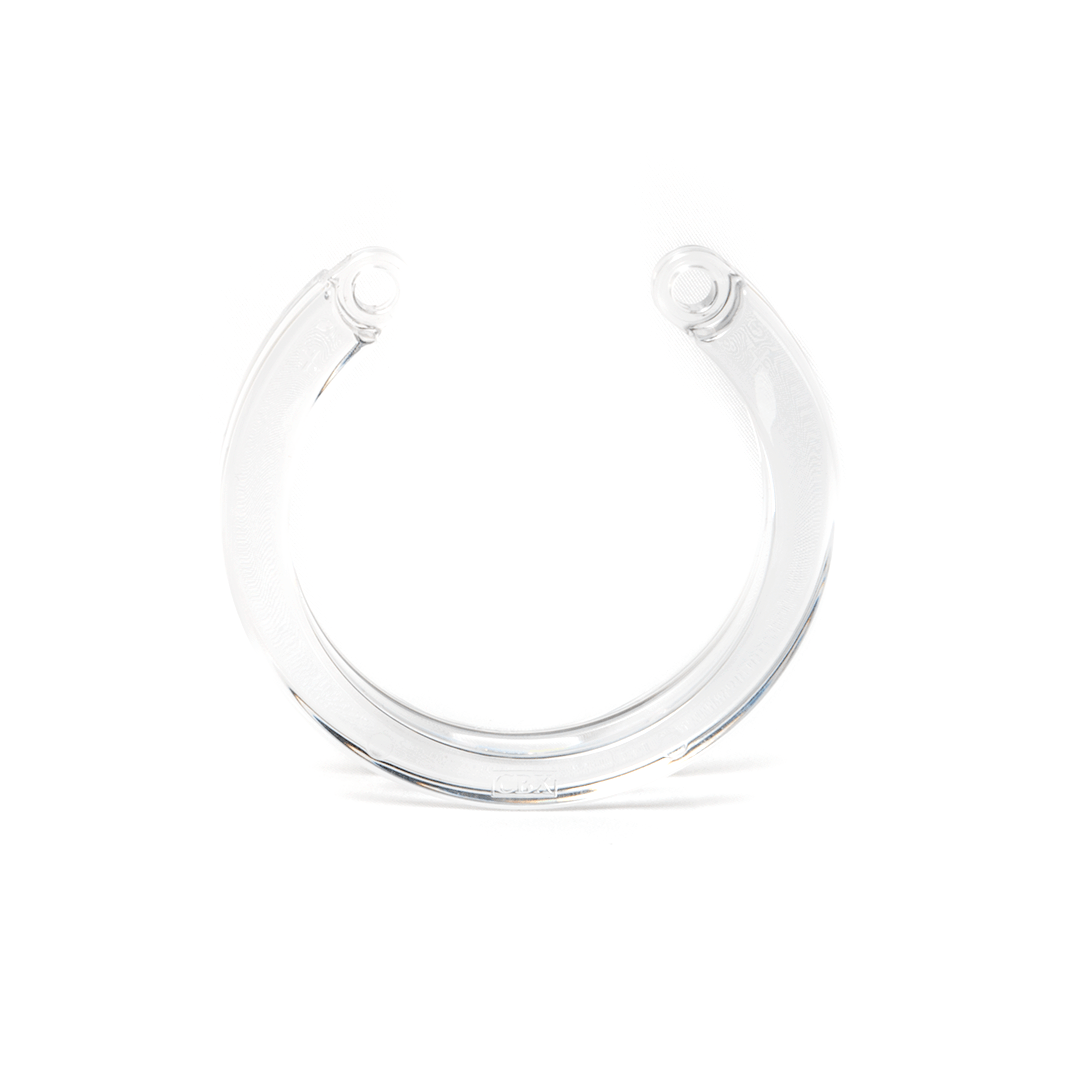
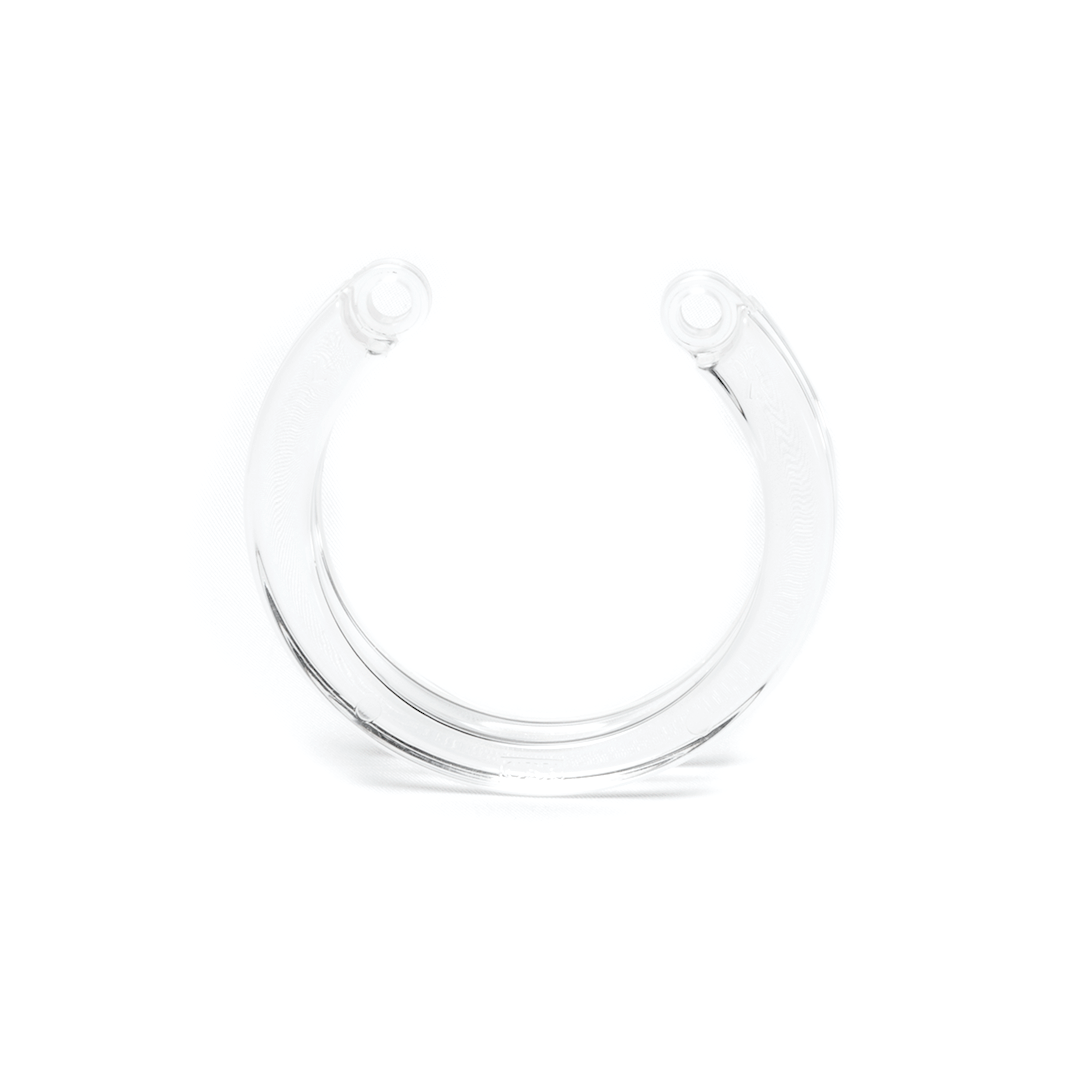
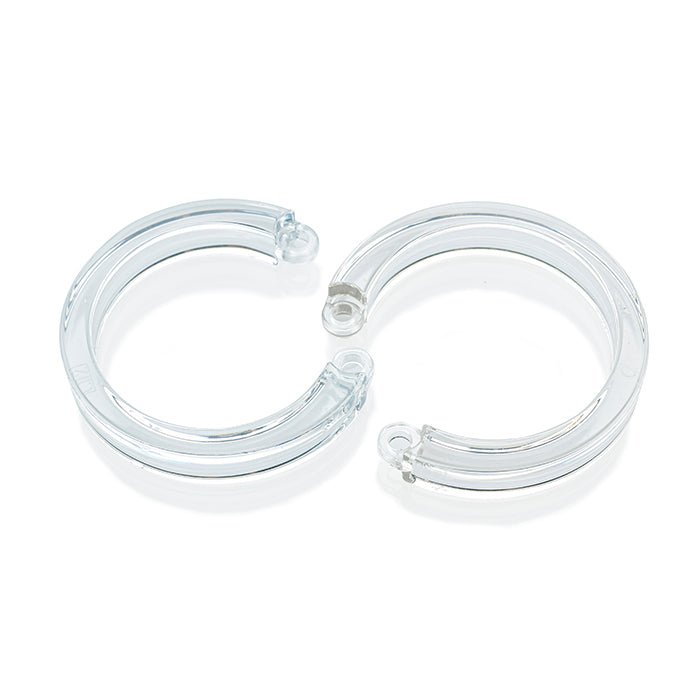
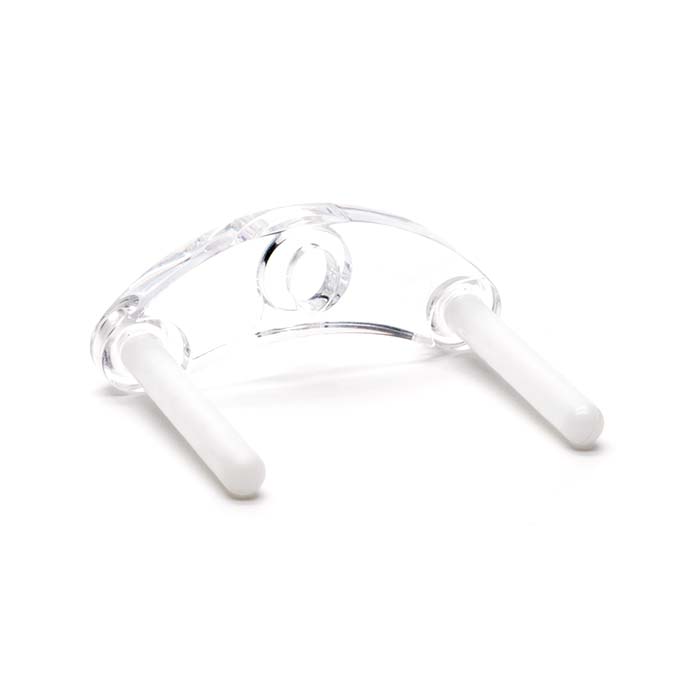
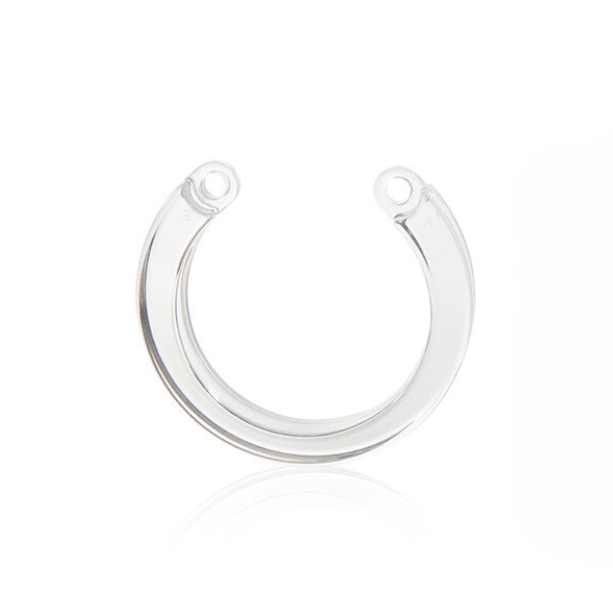
The most common fit change that catches people off guard is weight loss and gain. Even losing five or ten pounds can change how the base ring fits around the scrotum, and what was snug but comfortable at your starting weight can become loose, causing the device to fall off. With weight gain, what was once a good fit can become tight enough to cause circulation issues. If you've lost weight and are noticing increased discomfort or skin irritation that wasn't there before, it's probably time to downsize the ring; for weight gain, a larger ring would be suggested. CB-X modular sizing is especially helpful here because you can swap ring sizes without replacing the entire kit.
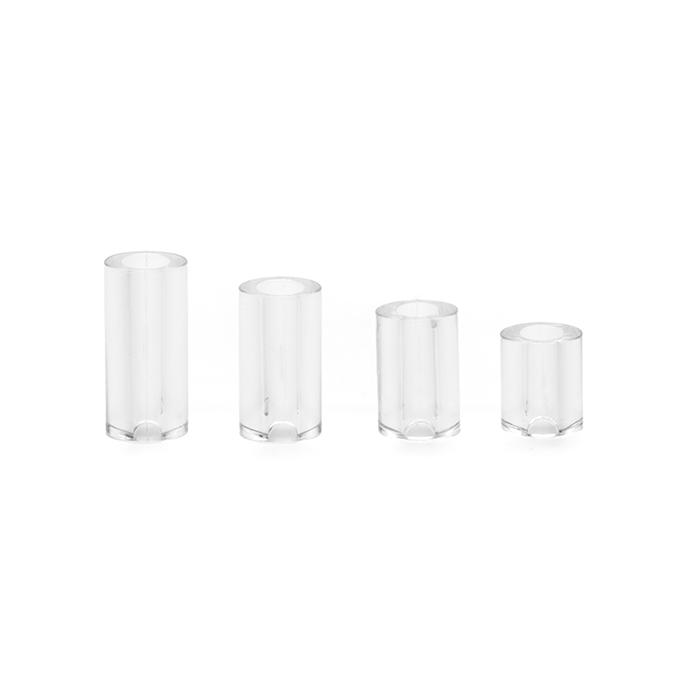
Seasonal changes matter too, even though nobody talks about them. In warmer weather, the scrotum hangs lower and looser, which changes how the base ring sits. In cold weather, everything tightens up. If you're a year-round wearer, you may find you need a slightly different ring size or spacer setup in summer than in winter. This isn't unusual, and it doesn't mean your original sizing was wrong. It means bodies are responsive to the environment, and your setup should be too.
Every responsible chastity practice needs an emergency removal plan, and the time to figure out that plan is before you need it, not during a panic at 2 am.
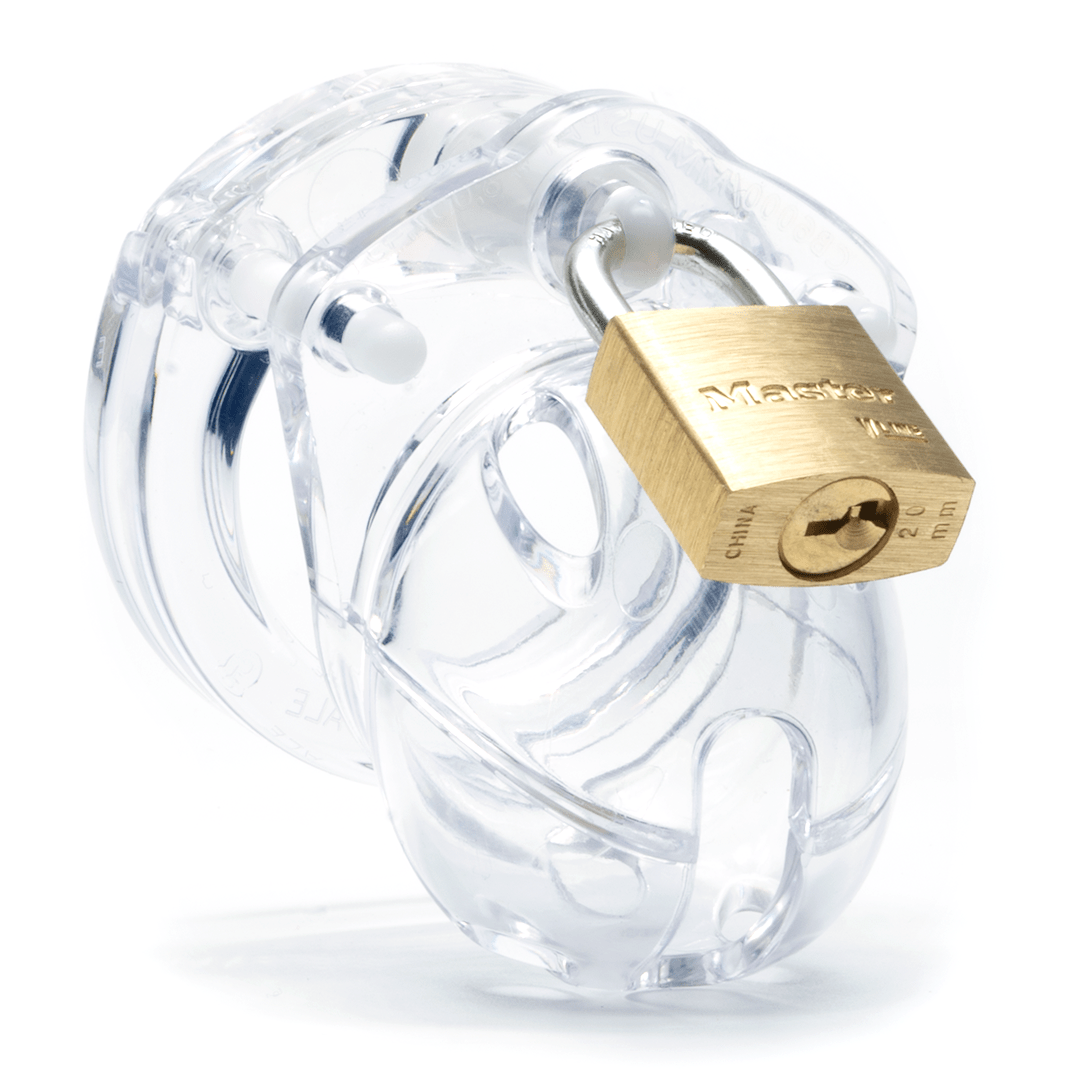
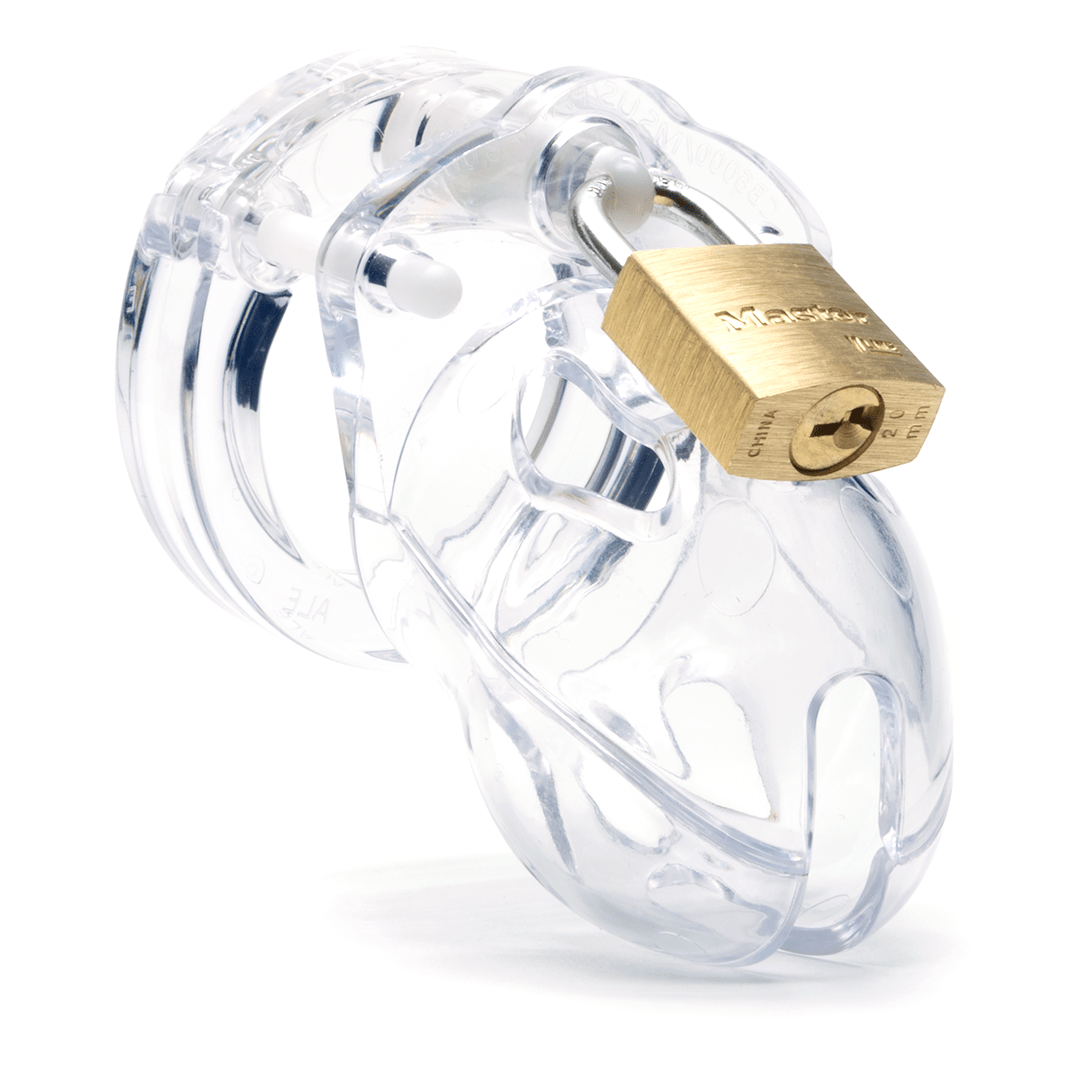
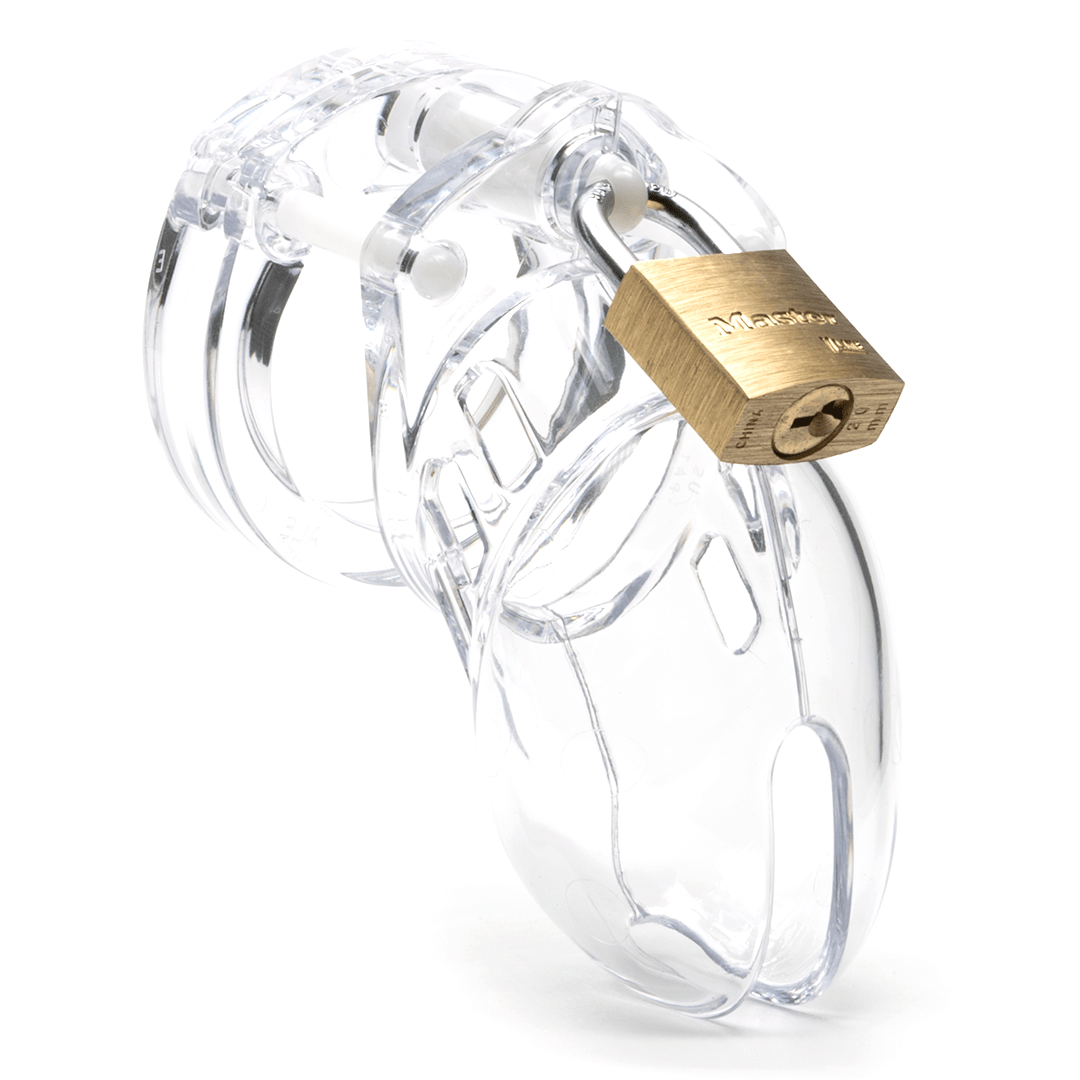
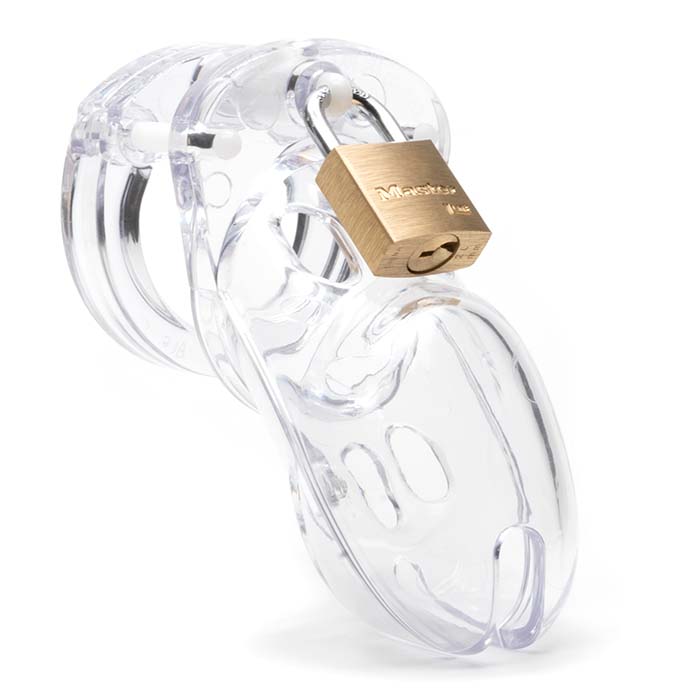
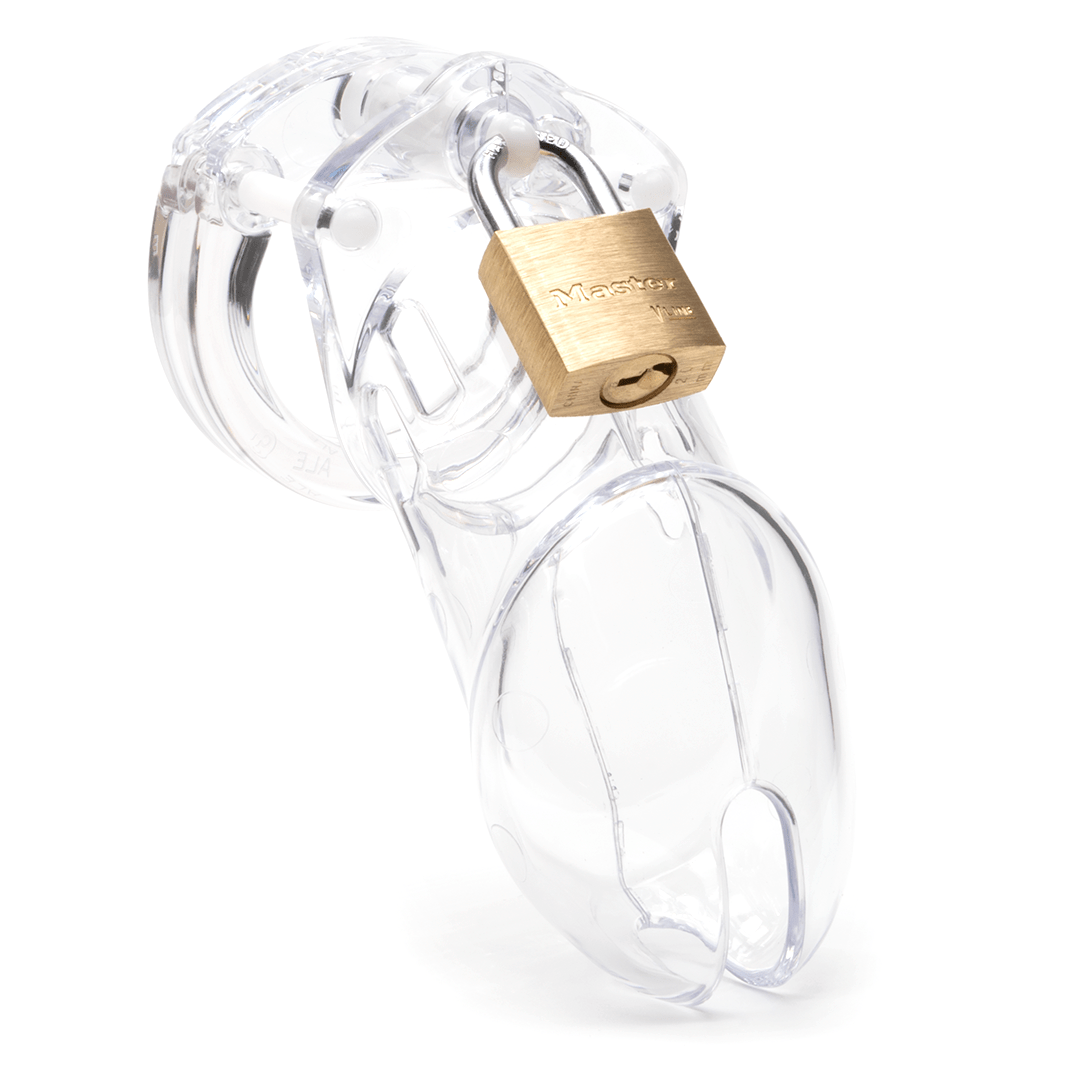
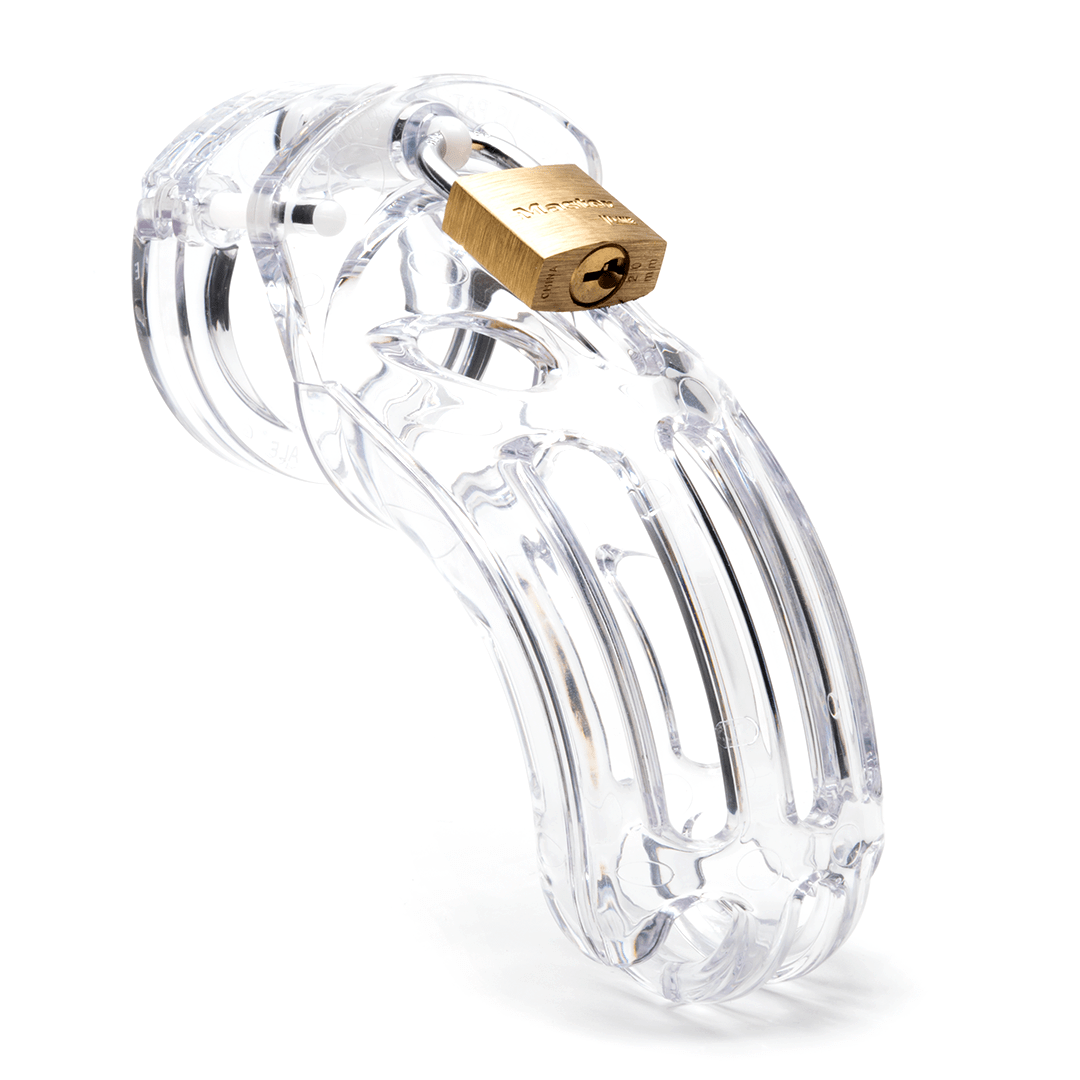
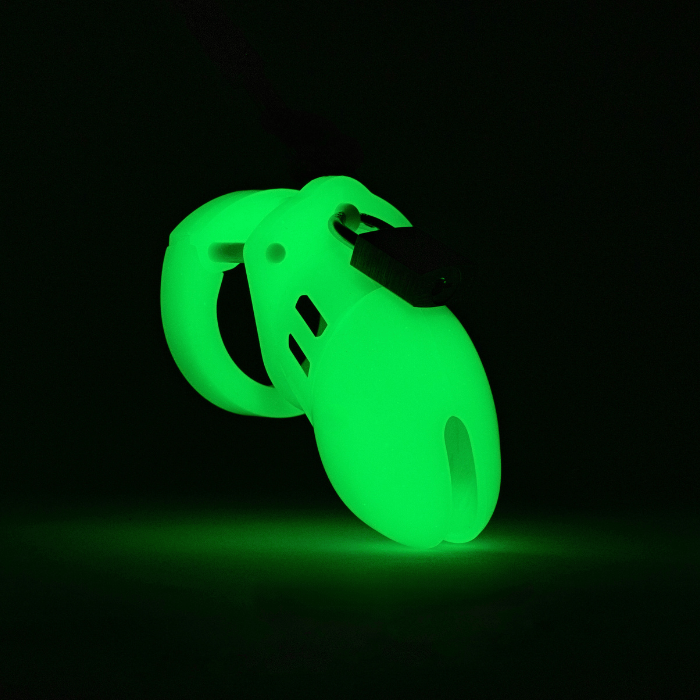
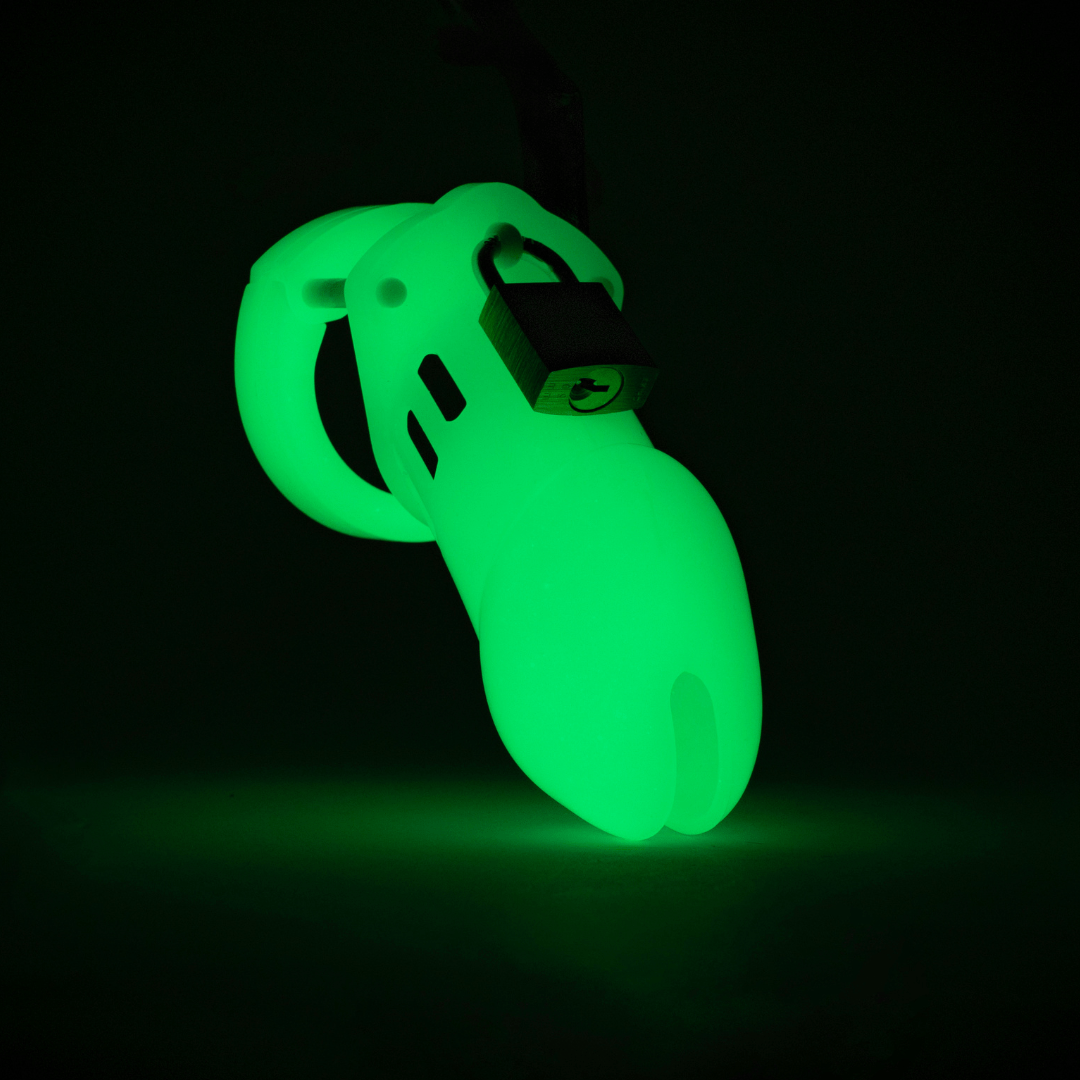
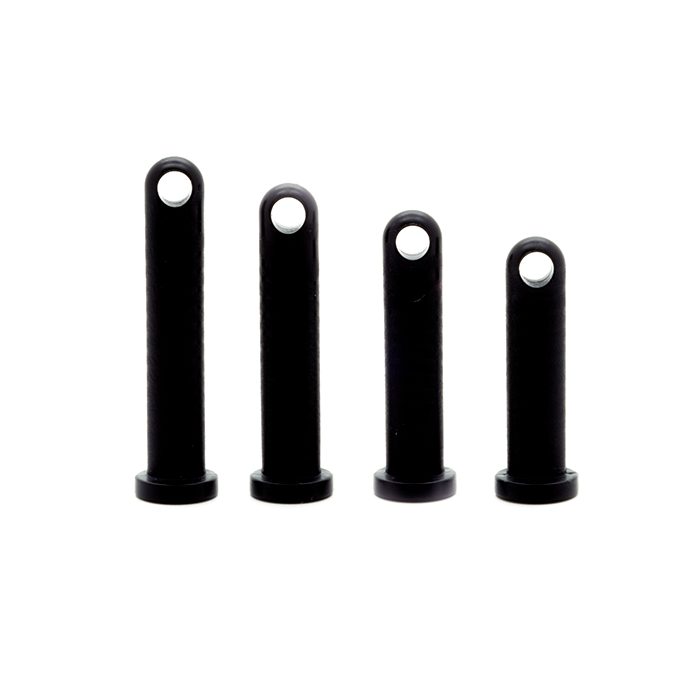
For CB-X devices, the locking pin system is designed for emergency removal. Hold the cage firmly with one hand and twist the padlock with the other. The center pin will break at the eyelet. It's not graceful, and you'll need a replacement pin afterward, but it works quickly and requires no tools. Replacement pins and locks are available on our website for exactly this reason.
If you use a keyed padlock, a spare key is non-negotiable. Store it somewhere you can access in a true emergency, not somewhere clever enough that you can't reach it when your hands are shaking, and your heart is racing. For solo play, timer-based lockboxes provide restraint with a guaranteed endpoint, giving you the psychological experience of not having easy access to the key while still providing a built-in safety net.
The scenarios that require immediate emergency removal: sudden severe pain that comes on without warning, numbness in the penis or testicles that doesn't resolve within a few minutes, any discoloration (blue, purple, unusually pale) in the glans or scrotum, cold temperature in the testicles, and swelling that's visibly different from normal arousal-related swelling. If you experience any of these, remove the device first, then assess the situation. You can always put it back on later.
Sometimes the thing that goes wrong isn't physical at all. Sometimes it's psychological, and those situations can be harder to identify and harder to address because there isn't a visible symptom telling you to stop.
If chastity has started to feel coercive rather than voluntary, that's a problem. If you feel resentment building toward the practice itself, or toward your partner for continuing to expect it, that's a problem. If wearing the cage is causing anxiety, depression, or a loss of interest in the other parts of your relationship that matter, those are signals worth paying attention to.
When practicing chastity with a partner, whether it's for kink, relationship strengthening, or any other reason, is that it serves both people involved; the caged and the Keyholder. The moment it stops serving one person, or the moment it starts actively harming someone's mental health, is the moment to take a step back and reassess. Taking a break from chastity to have an honest conversation about whether the dynamic is still working isn't failure. It's the most responsible thing you can do for your relationship.
For self-locked wearers, this is even more important because there's no Keyholder noticing the warning signs for you. Keeping a journal for reflection can be useful for this purpose. Track not just your physical comfort but also your emotional state, motivation, and energy levels. If you notice a downward trend that correlates with your wear schedule, listen to it and take a break.
Most chastity-related issues can be resolved by removing the device, letting the body recover, and adjusting your approach. But there are situations where a medical professional needs to be involved, and knowing where that line is can save you from turning a manageable problem into something serious.
See a doctor if you experience persistent numbness that doesn't resolve within a day after removing the cage, difficulty achieving or maintaining a full erection during breaks that lasts more than a few days, pain during urination that didn't exist before, any signs of infection (fever, spreading redness, discharge, worsening pain), or changes in penile curvature that you haven't noticed before.
You don't need to be embarrassed about this conversation. Urologists and general practitioners have seen far more unusual situations than a chastity device, and your health is always more important than avoiding an awkward 20 minutes in an exam room.
Things go wrong sometimes. That's not a reflection of your commitment, your device, or your judgment. It's a reflection of the fact that you're wearing a chastity cage on one of the most sensitive parts of your body, and biology doesn't always cooperate with our plans.
The wearers who thrive in the long term aren't the ones who never have problems. They're the ones who catch problems early, respond honestly, and adjust their approach based on what their bodies and emotional states are telling them. Quality equipment prevents most issues from developing in the first place, but even the best device in the world requires a person who's willing to pay attention and make changes when something isn't working.
If something doesn't feel right, take it off. Assess. Adjust. Try again when you're ready. That's not quitting. That's how you make this sustainable.
Questions about fit, troubleshooting, or anything that isn't feeling quite right? Contact our team at customerservice@cb-x.com. We've been doing this since 1998, and we'd rather help you get it right than have you push through something that's telling you to stop.