Confirm your age
Please confirm you are 18 years of age or older to view this content.

There's a common misconception that chastity only "counts" when someone else holds your key. But solo chastity, often referred to as “self-locking,” is its own discipline, and in many ways it's a harder path. When you're your own keyholder, the mental game becomes everything.
As CB-X puts it in their Self-Discipline Blueprint, “No matter who holds your key, mastery of chastity is about self-control. You could own countless devices or hide your keys in a hundred different places, but all of that is meaningless without your full commitment and determination”.
That's the whole thing, right there. The device is a tool. You are the practice.
So how do you actually build that discipline — especially when urges hit and your brain starts negotiating? Here's a comprehensive breakdown.
Before anything else, get clear on why you're doing this. Vague intentions crumble under pressure. What you need is a personal commitment statement. A present-tense declaration that anchors you during challenging moments.
Write yours down. Keep it somewhere accessible. It might even be helpful to have backup commitment statements. Multiple versions for different headspaces, because what resonates at 9 am might not land the same way at midnight.
One of the biggest mistakes solo wearers make is trying to white-knuckle it alone with zero structure. The CB-X approach recommends setting up your resources and support network before you need them — not in the middle of a crisis.
This means identifying in advance:
Top urge prevention habits — the specific actions you'll take when things get difficult (more on these below).
Most supportive daily tasks — activities that reinforce your mindset and keep you occupied and growing.
Healthy rewards — optional, but giving yourself something to look forward to after milestones helps maintain motivation.
Online community resources — you don't have to navigate this completely alone. Communities like r/Chastity, r/chastityjourney, and r/malechastity offer shared experience, accountability, and perspective from people who genuinely understand the practice. Apps like Chaster also offer structured solo challenges with built-in timers and community support.
A physical security tool — for solo wearers, we recommend a timer lock and lockbox. This adds a physical layer of commitment that removes the temptation of easy access, buying you the time your rational mind needs to override impulse.
An emergency plan - build your safety infrastructure before you need it, not after. The ten minutes you spend preparing now are buying you something you can't recover in a crisis.
Discipline isn't built in dramatic moments; it's built in the small, daily habits of reflection and intention-setting. It's best to structure this around a three-part daily self-assessment: morning, afternoon, and evening.
Start each day by setting the tone deliberately. Ask yourself:
This isn't journaling for the sake of journaling. It's mental rehearsal — pre-loading your brain with your values before the day has a chance to derail you.
A quick midday calibration. Note your energy level (low, moderate, high) and your mood (struggling, neutral, strong, content). If you're tracking a pattern of difficulty at certain times of day, this is where you'll find it.
This is the most important session. Cover three areas:
Daily Challenges — What tested you? How did you handle it? What would you do differently?
Daily Success — What went well? What are you proud of? Even small wins matter and deserve acknowledgment.
Personal Growth — What did you learn about yourself? How did you develop discipline today? What inner strength did you discover?
Also check in on personal wellbeing activities: mindfulness practice, reading, creative work, physical exercise. These are more than well-intended practices. They're the scaffolding that keeps your mental state stable enough to maintain commitment.
Here's where solo chastity gets real. You will have moments where the urge to quit feels overwhelming. Having a pre-planned response is not optional — it's essential.
The CB-X Blueprint outlines a toolkit of immediate redirect techniques designed to break the mental loop before you act on impulse:
Physical interrupts:
Cognitive interrupts:
Breathing:
The 4-7-8 technique — inhale for 4 counts, hold for 7, exhale for 8. This activates the parasympathetic nervous system for rapid calm.
The key insight here is that urges are temporary. They feel long-lasting and overwhelming in the moment, but they peak and subside. Your only job is to not act during the peak. Any of the above techniques can buy you the minutes you need.
Solo chastity is significantly easier when your environment isn't working against you. The CB-X suggested environmental management strategies are practical and evidence-backed:
The underlying principle: don't rely on willpower alone. Design your environment to make the right choice easier and the wrong choice harder.
When urges are persistent, surface-level distraction doesn't cut it. What works is deep cognitive engagement — activities that genuinely occupy your prefrontal cortex and leave little mental bandwidth for impulse.
Some recommendations:
The common thread: these activities require enough mental engagement that you genuinely can't maintain dual focus. They also produce a sense of accomplishment, which compounds positively with the discipline you're already building.
Beyond managing individual urges, lasting success in solo chastity requires cultivating the right mental framework over time. There are several practices for this:
Urge surfing — rather than fighting urges, practice observing them as temporary waves. They rise, peak, and fall. You don't have to do anything except wait. This meditation-based approach reframes the urge from a threat into a neutral experience you're simply watching pass.
Visualization — regularly imagine yourself successfully maintaining your commitment in the future. Pre-program your brain with positive response patterns. Your brain doesn't fully distinguish between vividly imagined and real experiences; use this to your advantage.
Pattern tracking — study your own urge patterns over time. When do they tend to hit? What situations trigger them? What was your energy level? Sleep quality? Stress level? The more predictive awareness you build, the better prepared you'll be.
Cognitive reframing — train yourself to interpret urges as "strength training opportunities" rather than threats. Every urge you don't act on is a rep. You're building something.
Discipline without feedback is just hope. A strong foundation is built through structured review cycles to keep you honest and progressing.
Every Sunday, complete a week in review:
Monthly, conduct a deeper review:
Then set clear, realistic goals for the coming month. Not vague intentions — specific, measurable commitments.
One of the most practical tools in solo chastity is the weekly task tracker — a simple habit grid where you list your key supportive tasks and check them off each day.
Example tasks solo wearers commonly track:
The power isn't in any single task — it's in the visual accountability of seeing your consistency (or inconsistency) laid out across the week. Missing one day is fine. Seeing a pattern of misses tells you something important.
Be prepared before your first solo chastity lock-up. Not during your first emergency.
Before self-locking, decide where the backup key (or keys) are kept. Decide who knows where it is and exactly how to reach it without you if you need to unlock quickly. A key left at the office. A spare mailed to someone who thinks it's for your safe. A friend who hides it somewhere in your home — just make sure they write down where, because "somewhere creative" stops being fun during desperate times.
The backup key plan takes ten minutes. Have it ready before you lock up, every time.
A one-way timer lock and lockbox is the most effective physical commitment tool available to solo wearers. You put the key in the box, set the timer for a duration, and it starts, and it doesn't care about your “very good excuse” for needing it unlocked at hour two.
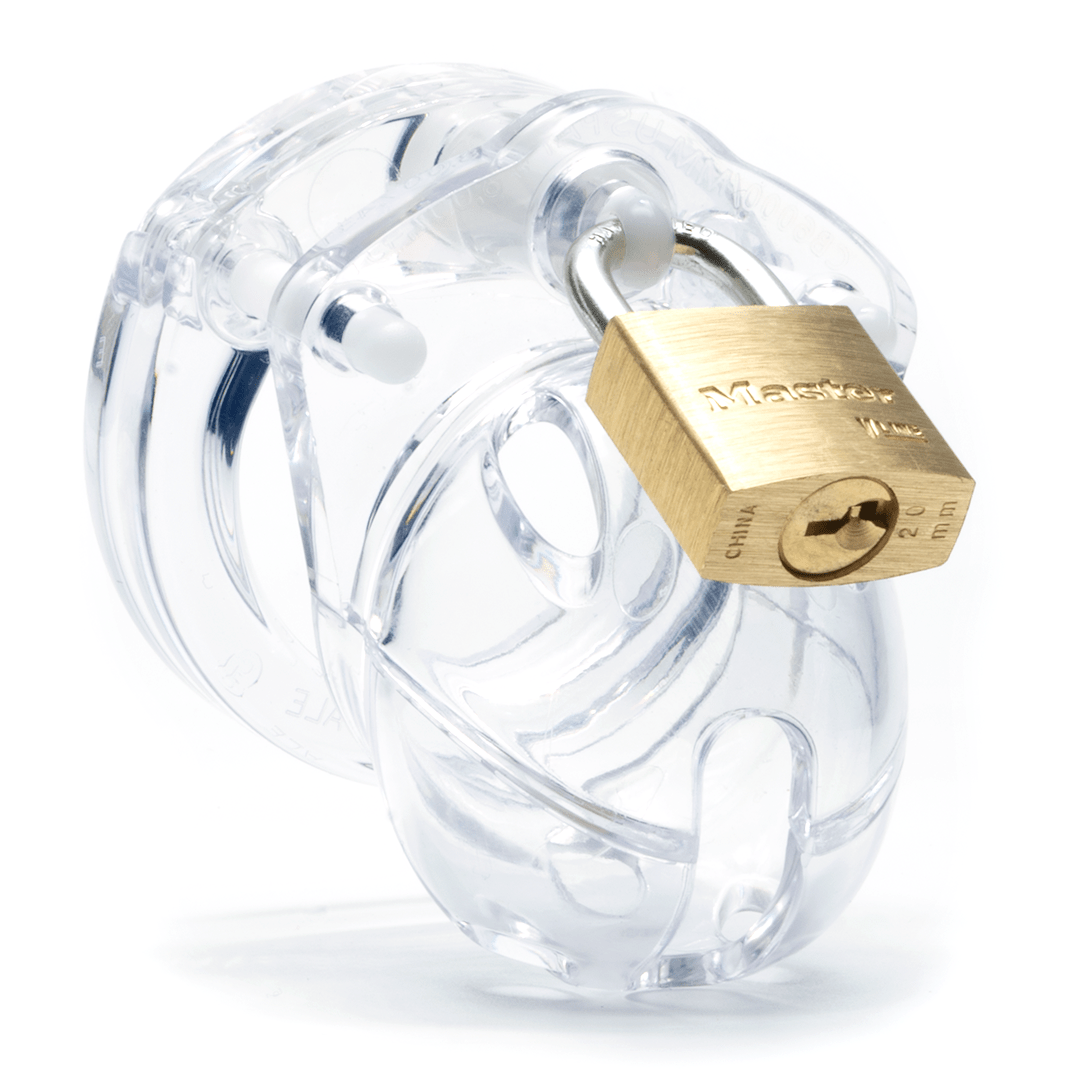
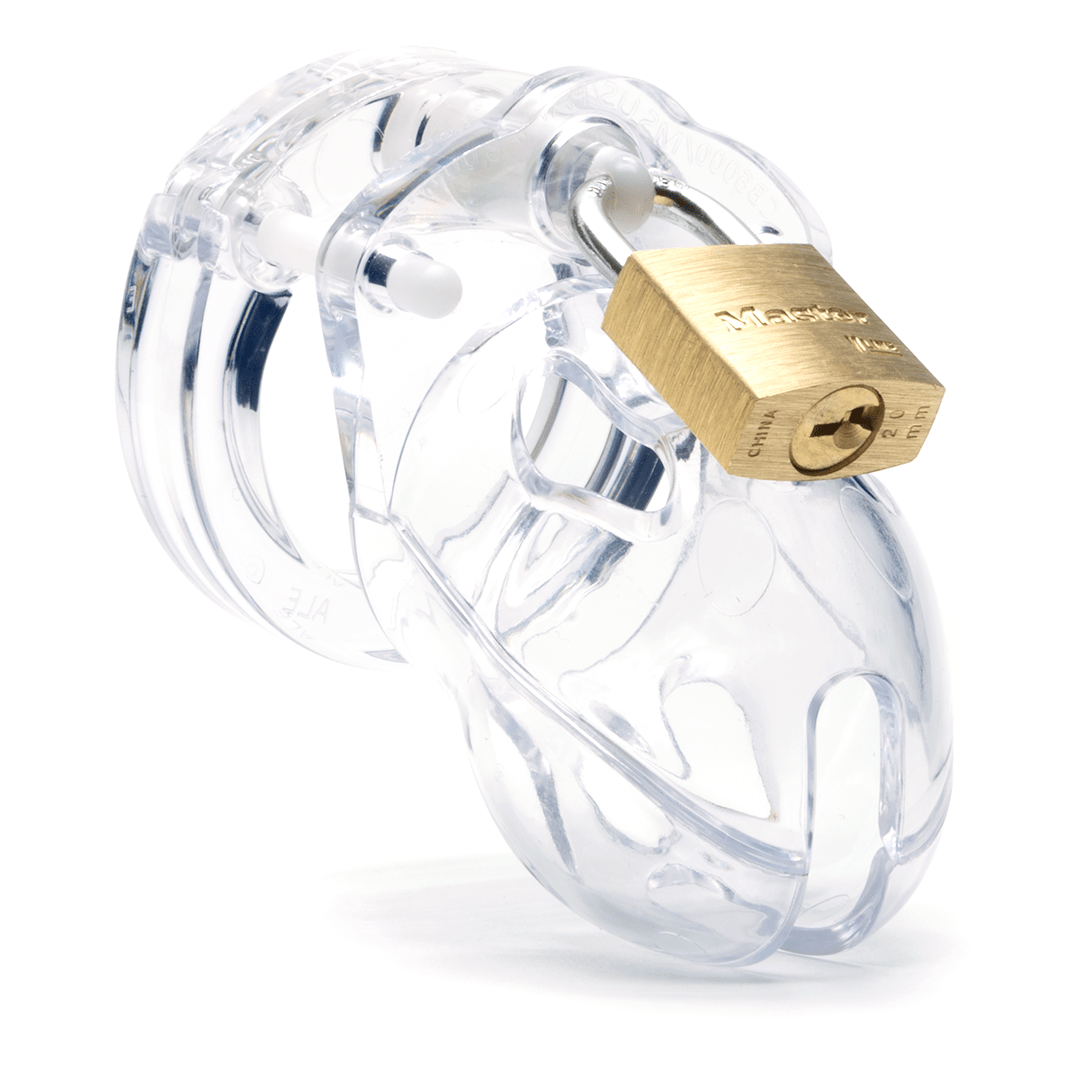
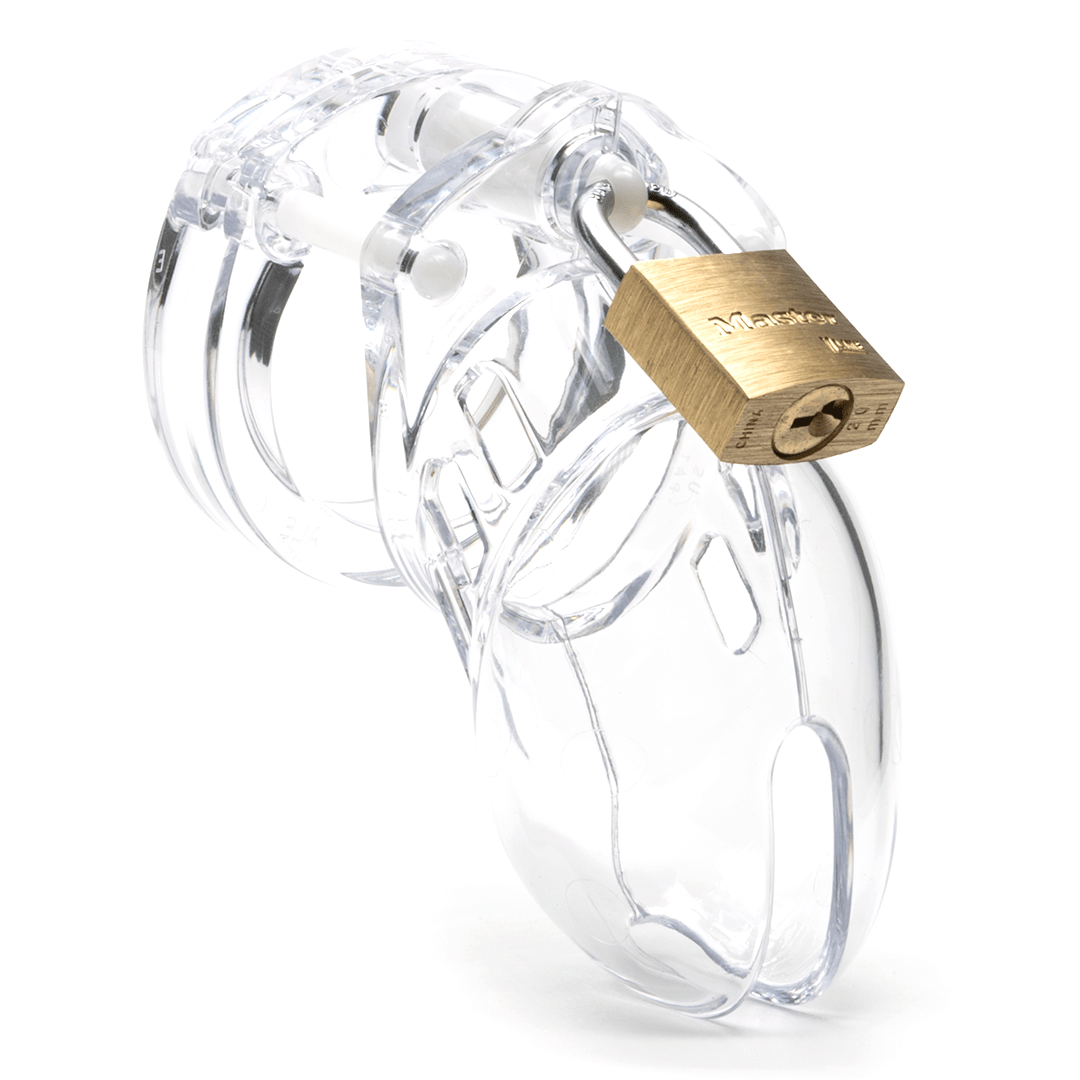
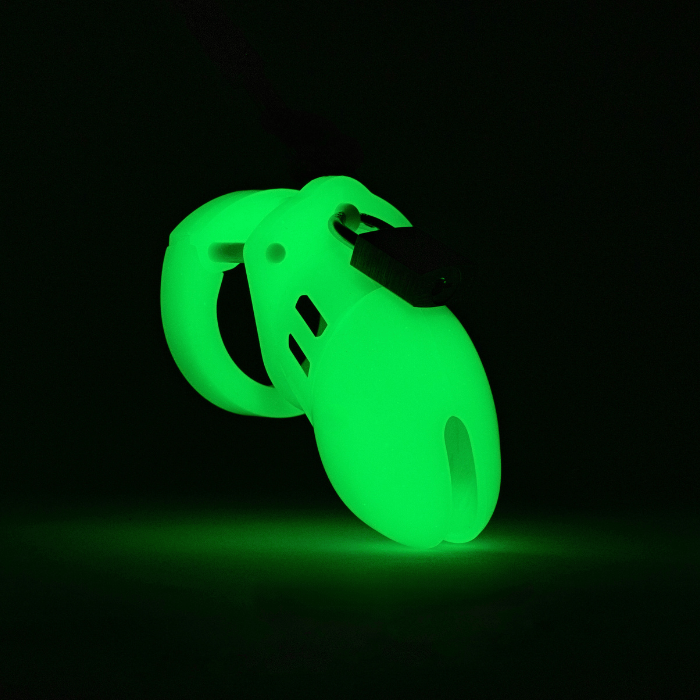
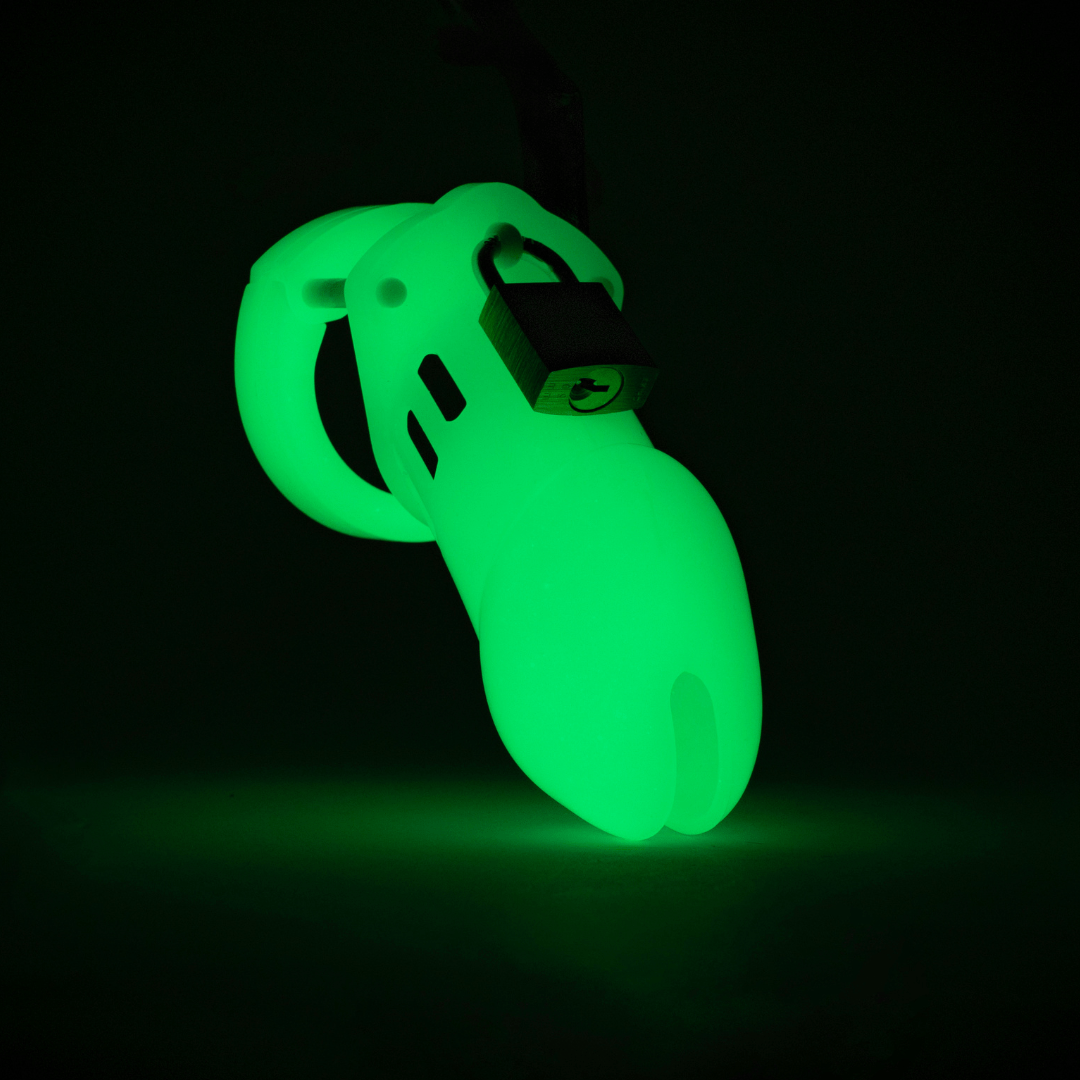
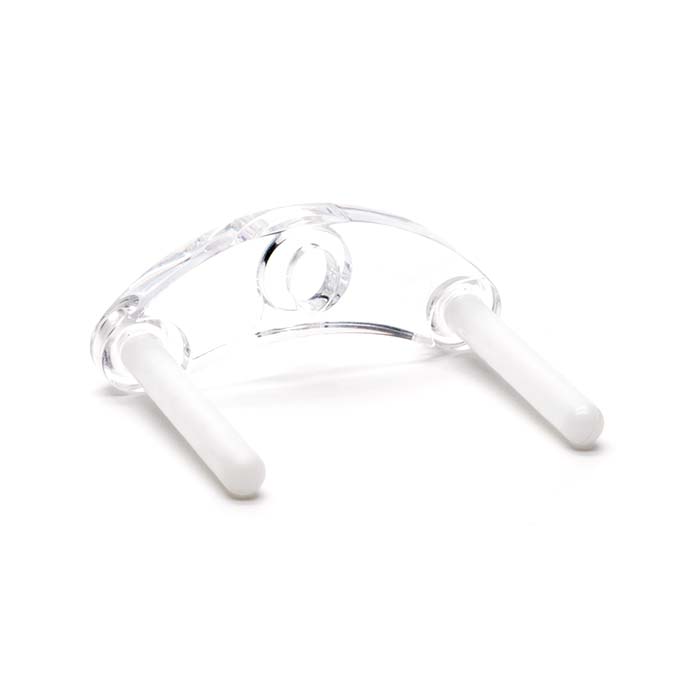
If the keys are lost or out of reach, and removal isn't otherwise possible, there is a failsafe escape. You will break parts, but you can order replacements. Grip the cage in one hand and the padlock in the other, then twist the lock firmly. The center pin will break at the eyelet. No tools required.
When to Go to the ER: Don't negotiate with yourself on this one. Seek medical attention if you continue to experience:
You don't need to be perfect. You need to be consistent.
Solo chastity is a practice of building a relationship with your own discipline. There will be hard days. There will be moments your brain generates very convincing arguments for why today should be an exception. That's normal. That's the work.
What separates people who succeed in long-term chastity from those who don't isn't just willpower. It’s a system that includes commitment statements, environmental design, urge protocols, daily reflection, weekly accountability, extra security measures, and an emergency plan.
Build the systems. Trust the process. Discipline follows.
The information in this post draws from the CB-X Self-Discipline Blueprint (2025 Edition), a workbook developed by a Certified Sex Educator and chastity research specialist for self-locked practitioners.